

Do You Like to Play Soccer? Exploring Individual Sporting Preferences!
Are you a fan of soccer? Do you prefer dribbling down the field to shooting hoops or hitting a home run? In this article, we will delve into the fascinating world of individual sporting preferences, uncovering the reasons behind why some of us are drawn to the beautiful game of soccer. Join us as we explore the unique factors that play a role in shaping our athletic passions and discovering what sets soccer apart as a beloved sport for many around the globe.
Contents
- 1 Benefits of Playing Soccer for Physical Health
- 2 Exploring the Mental Benefits of Playing Soccer
- 3 Factors That Influence Individual Sporting Preferences
- 4 Finding Your Passion: Why Soccer Might Be the Sport for You
- 5 Considering Skill Level When Choosing a Sport
- 6 Social Aspects of Playing Soccer and Building Relationships
- 7 Strategies for Overcoming Barriers to Playing Soccer
- 8 Recommendations for Beginners Interested in Playing Soccer
- 9 Key Tips for Beginners Interested in Playing Soccer
- 10 Exploring Other Sporting Options for Those Not Interested in Soccer
- 11 To Conclude
Benefits of Playing Soccer for Physical Health
Playing soccer can have numerous benefits for your physical health. Here are some of the key ways in which hitting the pitch can improve your overall well-being:
- Cardiovascular Fitness: Soccer involves a lot of running, sprinting, and kicking, which can help improve your cardiovascular health and increase your endurance levels.
- Muscle Tone and Strength: The constant movement and kicking in soccer can help tone and strengthen various muscle groups in your body, including your legs, core, and upper body.
- Flexibility: Soccer requires a lot of dynamic movements such as twisting, turning, and stretching, which can improve your overall flexibility and agility.
- Weight Management: The high intensity of soccer can help burn calories and assist in weight management, making it a great sport for staying in shape.
In addition to these physical benefits, playing soccer can also have a positive impact on your mental health. The social aspect of playing a team sport can help reduce stress, improve mood, and boost self-confidence. So, the next time you lace up your boots, remember that you’re not just playing a game – you’re also investing in your health and well-being.
Exploring the Mental Benefits of Playing Soccer
Playing soccer offers numerous mental benefits that can positively impact your overall well-being. Whether you play for fun or competitively, the sport can improve various aspects of your mental health. Here are some of the key mental benefits of playing soccer:
- Stress relief: Engaging in physical activity like soccer can help reduce stress levels by releasing endorphins, which are known as the body’s natural mood lifters.
- Improved focus: Soccer requires quick thinking, strategic planning, and excellent hand-eye coordination, all of which can help enhance your focus and concentration skills both on and off the field.
- Boosted self-confidence: Mastering soccer skills and working as a team can boost your self-esteem and confidence, leading to a more positive self-image.
- Enhanced mental resilience: Facing challenges, setbacks, and competition in soccer can help build mental toughness and resilience, preparing you to tackle obstacles in other areas of your life.

Factors That Influence Individual Sporting Preferences
can vary greatly from person to person. Some key considerations to keep in mind when trying to determine why someone prefers a particular sport over another include:
– **Personal interests**: Individuals may have a natural affinity or passion for a specific sport based on personal interests or experiences.
– **Physical abilities**: Some sports may be more appealing to individuals based on their physical abilities, such as speed, strength, or coordination.
– **Social influences**: Family, friends, or cultural backgrounds can play a significant role in shaping an individual’s sporting preferences.
– **Psychological factors**: Factors like motivation, confidence, and enjoyment can also impact which sports individuals choose to participate in.
Understanding these factors can help coaches, parents, and individuals themselves make more informed decisions when it comes to selecting a sport to play. By taking into account these influences, individuals can find a sport that not only aligns with their preferences but also helps them thrive and succeed in their athletic pursuits.
| Sport | Personal Interest | Physical Abilities | Social Influences | Psychological Factors |
|————–|——————-|——————–|——————-|———————–|
| Soccer | High | Moderate | High | High |
| Basketball | Moderate | High | Moderate | Moderate |
| Swimming | Moderate | High | Low | High |
Finding Your Passion: Why Soccer Might Be the Sport for You
Soccer, also known as football in many countries, is one of the most popular sports in the world. If you are someone who enjoys physical activity, teamwork, and competition, soccer might be the perfect sport for you! Here are a few reasons why soccer could be your passion:
- Physical Fitness: Soccer is a great way to stay in shape and improve your overall health. Running up and down the field, kicking the ball, and jumping to make goals are all excellent ways to keep your body in top condition.
- Teamwork: Soccer is a team sport, which means that you have to work together with your teammates to achieve success. Learning how to communicate, cooperate, and trust each other is a valuable skill that can be applied in many other aspects of life.
- Competition: Soccer is a competitive sport that can bring out the best in you. Whether you are playing against friends, in a local league, or at a professional level, the thrill of competition can drive you to improve your skills and push yourself to new limits.
| Reason | Why Soccer is the Sport for You |
|---|---|
| Physical Fitness | Improves overall health and keeps you in shape. |
| Teamwork | Teaches communication, cooperation, and trust. |
| Competition | Brings out the best in you and pushes you to improve. |

Considering Skill Level When Choosing a Sport
When it comes to choosing a sport, it’s essential to consider your skill level. Playing a sport that matches your abilities can lead to a more enjoyable and rewarding experience. If you enjoy soccer but struggle with coordination or have limited physical capabilities, you may want to explore other options that align better with your strengths.
Here are some key factors to consider when choosing a sport based on skill level:
- Physical attributes: Consider your strength, speed, agility, and coordination.
- Experience: Evaluate your past experience with different sports and activities.
- Interest: Choose a sport that you are passionate about and enjoy playing.
Remember, it’s important to challenge yourself while also ensuring you have the necessary skills to participate safely and effectively. By being mindful of your skill level when choosing a sport, you can set yourself up for a fulfilling and enjoyable athletic experience.

Social Aspects of Playing Soccer and Building Relationships
Playing soccer is not just about kicking a ball around a field. It is also about building relationships and connecting with others through a shared love of the sport. Whether you are playing with friends, teammates, or even strangers, the social aspects of playing soccer can be just as important as the game itself.
Through playing soccer, individuals have the opportunity to develop teamwork skills, learn how to communicate effectively, and build trust with others. These social skills are not only valuable on the field but can also be applied to various aspects of life off the field. Soccer can bring people together, fostering a sense of camaraderie and unity that can strengthen relationships and create lasting bonds.
Furthermore, playing soccer provides individuals with a sense of belonging and community. Whether you are playing in a local league, pickup game, or even just kicking a ball around in the park, soccer has the power to bring people from all walks of life together. It is a universal language that transcends barriers and connects individuals through a shared passion for the sport.

Strategies for Overcoming Barriers to Playing Soccer
When it comes to playing soccer, there can be various barriers that may hinder one’s ability to participate fully in the sport. However, there are strategies that individuals can employ to overcome these obstacles and continue enjoying the game they love. Here are some tips to help you overcome common barriers to playing soccer:
- Time management: Utilize time management techniques to ensure you have enough time to practice and play soccer regularly.
- Physical fitness: Focus on improving your overall fitness level through regular exercise and proper nutrition.
- Skills development: Dedicate time to practicing your soccer skills and seek guidance from coaches or experienced players.
- Mental resilience: Develop mental toughness to overcome challenges and setbacks that may arise during games or training sessions.
| Barrier | Strategy |
|---|---|
| Injury | Rehabilitate properly and follow medical advice to recover safely. |
| Lack of resources | Explore community programs or scholarships to access necessary equipment or facilities. |
| Confidence issues | Work on building self-confidence through positive self-talk and visualization techniques. |
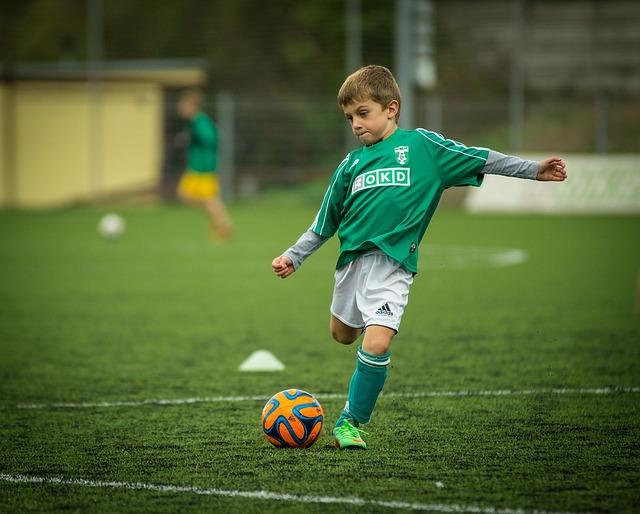
Recommendations for Beginners Interested in Playing Soccer
Key Tips for Beginners Interested in Playing Soccer
If you are just starting out in the world of soccer, here are some recommendations to help you get on the right track:
- Start with the basics: Focus on mastering fundamental skills such as passing, dribbling, shooting, and controlling the ball. Building a strong foundation will set you up for success in the long run.
- Join a team or club: Playing soccer with others is a great way to improve your skills, learn from more experienced players, and build camaraderie. Look for local clubs or leagues to join.
- Stay consistent with practice: Like any sport, regular practice is key to improving your game. Set aside time each week to work on your skills, whether it’s through drills, scrimmages, or fitness training.
- Watch professional matches: Study how top players move on the field, their strategies, and techniques. Watching games can provide valuable insights that you can apply to your own game.
Exploring Other Sporting Options for Those Not Interested in Soccer
For those who may not be interested in soccer, there are plenty of other sporting options to explore. From individual sports to team sports, there are endless possibilities to find an activity that suits your preferences and interests.
Consider trying out some of these alternative sports to soccer:
– **Tennis**: A great option for those who prefer individual sports, tennis offers a mix of physical activity and strategic gameplay.
– **Swimming**: A refreshing and low-impact sport, swimming is perfect for those looking for a full-body workout.
– **Golf**: If you enjoy the outdoors and a more leisurely pace, golf can be a relaxing yet challenging sport to try out.
– **Cycling**: Whether on the road or the trails, cycling is a fantastic way to stay active and explore the great outdoors.
Remember, the key is to find a sport that you enjoy and that keeps you motivated to stay active. So don’t be afraid to try out different options until you find the perfect fit for you.
To Conclude
Overall, understanding and exploring individual sporting preferences, such as playing soccer, can lead to a more fulfilling and enjoyable experience on the field. Whether you have a passion for soccer or are curious about trying out a new sport, it’s important to recognize and embrace what makes you happy and motivated. So, lace up your cleats, hit the field, and enjoy the game!


