How to Control This Position of Soccer: Mastering Your Role
Are you longing to dominate the playing field and become the ultimate master of your position in soccer? Look no further! In this enlightening article, we will unlock the secrets to mastering your role, granting you the power to control every aspect of the game. From whizzing past defenders with finesse to commanding your teammates with precision, we’ve got you covered. So, lace up your boots, ignite your passion, and get ready to take your soccer game to astonishing new heights. Let’s dive in, shall we
Contents
- 1 Defining Your Role: Understanding the Position’s Responsibilities
- 2 Master the Fundamentals: Technical Skills Required for the Position
- 3 Tactical Awareness: Positioning and Reading the Game
- 4 Building Strength and Endurance: Physical Requirements for Success
- 5 Effective Communication: Collaborating with Teammates on and off the ball
- 6 Collaborating with Teammates on and off the ball
- 7 Developing Decision-Making Abilities: Making the right choices under pressure
- 8 Maximizing Game Intelligence: Analyzing the field and adapting your play
- 9 Mental Resilience: Staying focused and confident when things get challenging
- 10 Continuous Improvement: The importance of practice and seeking feedback
- 11 In Summary
Defining Your Role: Understanding the Position’s Responsibilities
Understanding the Position’s Responsibilities
When it comes to controlling your position in soccer, there is no one-size-fits-all approach. Each role on the field carries its own unique set of responsibilities that requires a deep understanding of the game. Mastering your role requires a combination of technical skills, tactical awareness, and effective communication with your teammates.
- Know your objectives: Take the time to clearly define the objectives of your position. Whether you’re a striker, midfielder, defender, or goalkeeper, understanding your primary responsibilities will help you focus on the specific skills and techniques needed to excel in your role.
- Study the game: Watch professional matches, analyze the movements of players in your position, and study their decision-making process. By observing and learning from the best, you can identify key strategies and techniques that you can incorporate into your own game.
- Improve your technical skills: Each position requires a different skill set. Whether it’s mastering dribbling and finishing as a striker, developing pinpoint passing accuracy as a midfielder, or honing your tackling and marking abilities as a defender, dedicate time to train specific skills that align with your role.
It’s important to note that mastering your role on the field is an ongoing process. As you continue to grow and develop as a player, you may need to adapt and refine your skills to meet the changing demands of the game. By staying dedicated, disciplined, and always seeking to improve, you can truly control your position and become a valuable asset to your team.

Master the Fundamentals: Technical Skills Required for the Position
To truly excel in the game of soccer, mastering your role and understanding the technical skills required for your position is paramount. Whether you’re a striker, midfielder, defender, or goalkeeper, there are specific fundamentals that you need to focus on in order to control the game like a pro. In this post, we will break down the essential technical skills for each position and provide tips on how to improve them.
For strikers, the ability to finish with precision is crucial. You need to be able to strike the ball accurately and with power, whether you’re shooting from inside the box or outside. Practicing your shooting technique, such as proper body positioning, foot placement, and follow-through, will greatly enhance your goal-scoring abilities.
Midfielders, on the other hand, need to master the art of passing. This means being able to play short, crisp passes to your teammates while also having the vision to spot long-range openings. Work on your passing accuracy and develop a wide range of passing techniques, such as through balls, crosses, and even chipped passes, to create opportunities for your team.
Defenders should focus on their tackling and marking skills. Timing and anticipation are key when it comes to tackling effectively, so practice positioning yourself to win duels and dispossess the opponent. Additionally, mastering the art of marking and reading the game will allow you to nullify the opposition’s attacks and provide stability to your team’s defense.
Last but not least, goalkeepers must have exceptional reflexes and positioning. Reacting quickly to shots and crosses is vital, so incorporating reflex training drills into your practice routine is essential. Furthermore, understanding the angles and positioning yourself correctly to narrow the shooting angles will greatly increase your chances of making crucial saves.
Remember, mastering the fundamentals and technical skills required for your position is a continuous process. Consistent practice, dedication, and a willingness to learn and adapt will help you control your position on the soccer field and take your game to the next level.
Tactical Awareness: Positioning and Reading the Game
In order to excel in soccer, it is important to have a deep understanding of the tactical aspects of the game. One crucial element of tactical awareness is positioning and reading the game. By mastering your role on the field, you can have better control over the game and contribute to your team’s success.
Positioning is all about being at the right place at the right time. Whether you are a defender, midfielder, or forward, understanding where you need to be on the field is essential. By positioning yourself correctly, you can put yourself in a better position to receive passes, make interceptions, or score goals. Remember, soccer is a dynamic game, so your positioning should be constantly adjusted based on the movement of the ball, your teammates, and the opposition.
Reading the game goes hand in hand with positioning. It involves analyzing the situation on the field, anticipating the actions of your opponents, and making quick decisions. This skill allows you to react faster and make better choices, such as when to tackle, when to pass, or when to make a run. Developing your ability to read the game requires experience and attentiveness. Observing patterns of play, studying opponents, and analyzing game footage are all helpful ways to enhance your game intelligence.
To master your role on the field, consider the following tips:
1. Communication is key: Constantly communicate with your teammates to ensure everyone is on the same page and well-positioned. Clear and effective communication can prevent defensive errors and create better attacking opportunities.
2. Stay focused: Pay close attention to the game, even when you don’t have the ball. Keep your head up, scan the field, and be aware of the movements of both your teammates and opponents. This will help you anticipate plays and react quickly.
3. Understand your strengths and weaknesses: Every player has their own unique strengths and weaknesses. Assess your abilities honestly and work on improving weak areas. By knowing your strengths, you can maximize your impact on the game.
4. Study the game: Watch professional matches, analyze different playing styles, and observe top players in your position. By studying the game, you can gain valuable insights and ideas to incorporate into your own playing style.
In conclusion, mastering your role on the soccer field requires a combination of tactical awareness, positioning, and reading the game. By following these tips, you can improve your game intelligence, contribute more effectively to your team, and ultimately become a master of your position.
Building Strength and Endurance: Physical Requirements for Success
Building strength and endurance are crucial for success in soccer. As a player, it is essential to have physical abilities that enable you to excel in your role on the field. Whether you are a striker, midfielder, defender, or goalkeeper, mastering your position requires specific demands that can be achieved through targeted training and conditioning.
To control your position in soccer, here are some physical requirements that you should focus on:
1. Speed and agility: Soccer is a fast-paced game that requires quick reactions and change of direction. Improving your speed and agility will help you outpace opponents and swiftly move around the field. Incorporate exercises like shuttle runs, ladder drills, and cone drills into your training routine to enhance your agility and explosiveness.
2. Balance and coordination: Maintaining balance and coordination is crucial in controlling the ball and executing precise movements. Work on strengthening your core muscles and practicing balance exercises such as single-leg stands and stability ball workouts. These will improve your ability to keep your balance while dribbling, shooting, or making tackles.
3. Endurance: Soccer matches can be physically demanding, requiring you to cover significant distances and play for extended periods. Building endurance is essential to ensure you can sustain your performance throughout the game. Include exercises like long-distance running, interval training, and high-intensity cardio sessions in your training plan to enhance your stamina.
4. Strength and power: Soccer involves various physical challenges, including challenging for the ball, winning tackles, and shooting with power. Developing strength and power will enable you to dominate in these aspects of the game. Incorporate exercises like squats, lunges, deadlifts, and plyometric drills to build muscle strength and explosiveness.
Remember, mastering your role in soccer requires a holistic approach to physical fitness. It is vital to combine these physical requirements with tactical awareness, technical skills, and mental resilience to truly excel on the field. Keep pushing yourself, and with consistent training and dedication, you can control your position and become a force to be reckoned with in soccer.
| Physical Requirement | Exercises to Focus On |
|---|---|
| Speed and agility |
– Shuttle runs
– Ladder drills – Cone drills |
| Balance and coordination |
– Single-leg stands
– Stability ball workouts |
| Endurance |
– Long-distance running
– Interval training – High-intensity cardio sessions |
| Strength and power |
– Squats
– Lunges – Deadlifts – Plyometric drills |

Effective Communication: Collaborating with Teammates on and off the ball
Collaborating with Teammates on and off the ball
Mastering your role in soccer goes far beyond individual skills and physical attributes. It’s about effective communication and collaboration with your teammates. By understanding how to work together both on and off the ball, you can elevate your game and contribute to the success of your team.
When it comes to on-ball collaboration, communication is key. Constantly be aware of your surroundings and communicate with your teammates to maintain proper positioning and make smart decisions. By using verbal cues and hand signals, you can effectively communicate your intentions and support each other during gameplay.
Off the ball, teamwork is just as crucial. Always be scanning the field and anticipating where your teammates will be. By positioning yourself strategically, you can create passing options and open up space for your teammates to exploit. Develop a strong understanding with your teammates so you can make split-second decisions on when to make a run, provide support, or create a diversion.
To effectively collaborate with teammates, it’s important to establish a strong level of trust and understanding. Building these connections starts off the field. Spend time together outside of practice, whether it’s socializing or participating in team-building activities. This will foster a sense of camaraderie and improve chemistry on the field. Remember to actively listen and respect the opinions of your teammates, as effective communication also involves being an attentive and supportive listener.
Key points to remember for effective collaboration:
- Communicate on and off the ball to maintain proper positioning.
- Use verbal cues and hand signals to indicate your intentions to teammates.
- Position yourself strategically to create passing options and open up space on the field.
- Establish trust and understanding by spending time together outside of practice.
- Actively listen and respect your teammates’ opinions for a supportive and cohesive team dynamic.

Developing Decision-Making Abilities: Making the right choices under pressure
As a soccer player, one of the most crucial skills to master is decision-making, especially in high-pressure situations. When the game is on the line and the clock is ticking, being able to make the right choices quickly and confidently can make all the difference. To become a true master of your position, it’s essential to develop your decision-making abilities on the field.
Here are some tips to help you control your position and make better choices under pressure:
1. Analyze the Situation: Before making any decision, take a moment to evaluate the current situation. Consider factors such as the score, time left in the game, the position of your teammates and opponents, and the overall flow of the match. This analysis will help you make more informed decisions.
2. Anticipate the Options: As the play develops, anticipate the possible options available to you. Consider multiple scenarios and visualize your potential choices. This will allow you to react quickly when the moment arrives, giving you an edge over your opponents.
3. Trust Your Instincts: While it’s essential to analyze and anticipate, sometimes you just have to trust your instincts. In high-pressure situations, your gut feeling may guide you to make the right choice instinctively. Have confidence in your abilities and trust your training to help you make those split-second decisions.
4. Practice Makes Perfect: Decision-making is a skill that can be honed through practice. Set up game-like scenarios during training sessions and work on making quick decisions. The more you expose yourself to different situations, the better equipped you’ll be to handle them in a real game.
In summary, mastering your role in soccer requires developing decision-making abilities to make the right choices under pressure. By analyzing the situation, anticipating options, trusting your instincts, and practicing diligently, you can become a master of your position and make a significant impact on the field. So, embrace the challenge, embrace the pressure, and elevate your game to new heights.
Maximizing Game Intelligence: Analyzing the field and adapting your play
Playing soccer is not just about physical prowess or technical skills, it also requires a high level of game intelligence. To maximize your effectiveness on the field, it is crucial to analyze the current state of play and adapt your game accordingly. By understanding the nuances of the field and mastering your role, you can become a formidable player who can control the position of the game.
One key aspect of maximizing game intelligence is analyzing the field. Take note of the positioning of your teammates and opponents, as well as any patterns or trends in their movements. Pay attention to the spaces that open up and the areas that become congested during the game. By observing these dynamics, you can identify opportunities to exploit and areas that need reinforcement. This analytical approach will help you make calculated decisions on the field and stay one step ahead of your opponents.
Adapting your play is equally important in controlling your position in soccer. As the game progresses, situations change and tactics evolve. It is crucial to be flexible and adjust your style of play accordingly. This may involve altering your positioning, making tactical runs, or changing your level of aggression. By adapting to the demands of the game, you can effectively contribute to your team’s overall strategy and maintain control of your position on the field.
To truly master your role on the soccer field, it is essential to develop a deep understanding of your position and its responsibilities. Take the time to study the best players in your position and analyze their techniques and decision-making processes. Identify the key attributes that make them successful and work on developing those skills in your own game. By constantly striving for improvement and refining your techniques, you can become a dominant force in your position and have a significant impact on the game.
In conclusion, maximizing game intelligence in soccer is a crucial aspect of controlling your position on the field. Analyzing the field, adapting your play, and mastering your role are all essential elements of becoming a successful player. By applying these strategies, you can enhance your game awareness, make informed decisions, and ultimately elevate your performance on the soccer field. So, start honing your game intelligence today and unlock your true potential in controlling your position in soccer.
Mental Resilience: Staying focused and confident when things get challenging
In the fast-paced game of soccer, mental resilience plays a vital role in achieving success on the field. As a player, it is crucial to stay focused and confident, especially when faced with challenging situations. By mastering these skills, you can control your position on the field and make a significant impact on the game.
One key aspect of maintaining mental resilience is staying focused. Distractions can easily arise during a match, whether it be from the opposing team’s tactics or external factors such as crowd noise. To combat these distractions, it is important to develop a laser-like focus on the task at hand. This can be achieved by setting clear goals for yourself and constantly reminding yourself of these goals throughout the game. Additionally, practicing mindfulness and staying in the present moment can help you maintain concentration and make effective decisions on the field.
Confidence is another crucial element in developing mental resilience. Believing in your abilities as a player is essential for success. Remind yourself of your past accomplishments and strengths to boost your confidence. Visualization techniques can also be highly effective, picturing yourself executing successful plays and scoring goals. By visualizing success, you are reinforcing positive thoughts and increasing your confidence levels.
Challenging situations are inevitable in soccer, whether it’s dealing with an aggressive defender or coping with a missed opportunity. The key is to approach these challenges with a positive mindset. Rather than dwelling on mistakes, use them as learning opportunities. Stay determined and resilient, bouncing back from setbacks with even more determination. Remember, every player faces obstacles during a match, but it’s how you handle them that sets you apart.
Mastering your role on the soccer field requires mental resilience and a strong mindset. By staying focused, confident, and embracing challenges, you can take control of your position and become a valuable asset to your team. Keep these principles in mind, practice them consistently, and watch your soccer skills soar to new heights.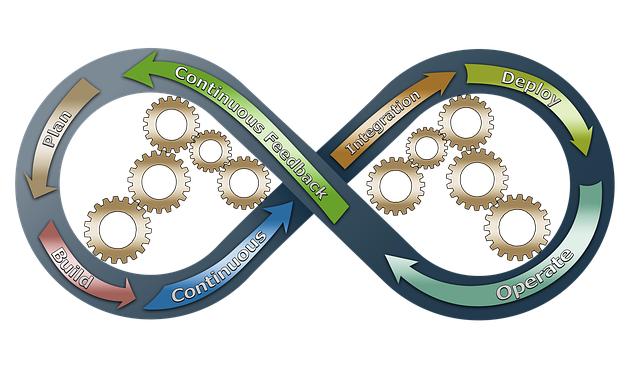
Continuous Improvement: The importance of practice and seeking feedback
When it comes to mastering your role in soccer, continuous improvement is key. The ability to control your position on the field is essential for success in the game. It requires practice, dedication, and a commitment to seeking feedback.
Practice is the foundation of improvement. By consistently honing your skills, you can enhance your ability to control the position of the soccer ball. Regularly engage in drills that focus on ball control, passing accuracy, and spatial awareness. This will not only improve your technical skills but also instill a sense of confidence and familiarity with your role.
Seeking feedback is another valuable aspect of continuous improvement. Surround yourself with coaches, teammates, and mentors who can provide constructive criticism and guidance. Their insights can help you identify areas where you can improve and refine your performance. Additionally, recording and reviewing your own gameplay can offer valuable self-feedback opportunities.
To truly master your role in soccer, it is essential to adopt a growth mindset. Embrace challenges, setbacks, and failures as opportunities for learning and growth. With each practice session and feedback received, strive to push past your comfort zone and continually improve your game. Remember, it is through continuous improvement that you can truly take control of your position on the soccer field.
In Summary
Conclusion
Congratulations! You are now equipped with the valuable knowledge to dominate your role on the soccer field and control any position like a true master. By understanding the unique demands and responsibilities of your position, you can elevate your game and make a real impact. Remember, practice makes perfect, so put in the extra hours on the training ground to sharpen your skills and refine your technique. Fearlessly embrace your role, knowing that you possess the tools to excel. Whether you’re a controlling midfielder, an unflinching defender, or a ruthless striker, this guide has provided you with the essential keys to success. So go out there, own your position, and be the player that everyone looks up to. Good luck, and may your journey to mastery be an unforgettable one!