Easiest Position in Soccer: Myth or Reality? Find Out Now!
Have you ever wondered if there is truly an "easiest position" in the beautiful game of soccer? Are you skeptical about claims made by players or pundits? Well, it’s time to put this long-standing debate to rest and uncover the truth once and for all! In this article, we will dive deep into the world of soccer positions, exploring the abilities, duties, and challenges that come with each role on the field. From goalkeepers to strikers, midfield maestros to skillful defenders, we will assess whether the concept of an "easiest position" in soccer is a mere myth or a tangible reality. So fasten your seatbelts and get ready to decipher the secrets of the game, as we embark on a journey that will enlighten soccer enthusiasts and debunk misconceptions about this captivating sport.
Contents
- 1 Easiest Position in Soccer: Debunking the Myth and Unveiling the Reality
- 2 Understanding the Complexity of Soccer Positions: A Comprehensive Overview
- 3 Analyzing Defensive Roles: Are They Truly the "Easiest" in Soccer?
- 4 The Debate: Analyzing Defensive Roles in Soccer
- 5 Exploring the Nuances of Midfield: A Crucial Position Demanding Versatility
- 6 Striking the Perfect Balance: Decoding the Role of Forwards in Soccer
- 7 Demystifying Goalkeeping: Examining the Challenges and Skills of Keepers
- 8 Finding Your Perfect Match: Recommendations for Aspiring Soccer Players
- 9 Mastering the “Art” of the Easiest Soccer Positions: Tips and Tricks for Success
- 10 Embracing the Challenge: How to Excel in Any Soccer Position
- 11 To Conclude
Easiest Position in Soccer: Debunking the Myth and Unveiling the Reality
Many people believe that goalkeeping is the easiest position in soccer – after all, all you have to do is stop the ball from going into the net, right? However, this is just a myth that needs to be debunked. In reality, goalkeeping requires a set of unique skills and attributes that not everyone possesses.
One of the most important skills a goalkeeper must have is excellent reflexes. They need to be able to react quickly to shots and make split-second decisions on how to best position themselves to make a save. Additionally, goalkeepers need to have great hand-eye coordination to be able to catch or punch away the ball when it comes flying towards them.
Furthermore, goalkeeping also requires a strong mental game. Goalkeepers often face a lot of pressure, as they are the last line of defense for their team. They need to stay focused and composed even in high-pressure situations, and they need to have the confidence to make quick decisions without hesitating.
On top of all this, goalkeepers also need to be physically fit. They need to have strong core muscles to be able to dive, jump, and make acrobatic saves. Stamina is also key, as they often find themselves sprinting back and forth across the goal line to cover as much area as possible.
In summary, while some may think that goalkeeping is the easiest position in soccer, the reality is quite the opposite. Goalkeepers require a unique combination of skills, both physical and mental, to excel in their role. So the next time you see a goalkeeper in action, remember the hard work and dedication they put into their craft.
Understanding the Complexity of Soccer Positions: A Comprehensive Overview
Soccer, also known as football in many countries, is a game that requires skill, strategy, and teamwork. Each player on the field has a specific role and position, contributing to the overall gameplay. However, the question remains: is there an easiest position in soccer? Let’s dive into the complexity of soccer positions and find out if this notion is a myth or reality.
-
Goalkeeper: Often considered a challenging position, being a goalkeeper requires agility, reflexes, and excellent decision-making skills. While it may seem like the easiest position due to its specialized role, the pressure on a goalkeeper to make crucial saves cannot be understated. Their ability to read the game and anticipate the opponents’ moves is paramount.
-
Defenders: Playing a crucial role in protecting the goal, defenders are responsible for thwarting the opponents’ attacks. It may seem like defenders have a straightforward task of stopping the opposition, but it requires a combination of physicality, tactical awareness, and the ability to effectively position oneself to disrupt the attackers. Defenders also need to possess good communication skills with their teammates to coordinate defensive strategies.
-
Midfielders: Often referred to as the engine room of the team, midfielders are responsible for linking defense and attack. This position demands a high level of stamina, as midfielders cover a significant area of the field. They need to possess technical skills such as passing, ball control, and vision to distribute the ball effectively and create scoring opportunities. Additionally, midfielders contribute to both defensive and offensive aspects of the game, making their role multifaceted.
- Forwards: The position that often garners the most attention and admiration is that of the forward. Scoring goals and creating chances is their primary responsibility. While it may seem like the easiest position due to their attacking role, forwards face immense pressure to deliver in crucial moments. They need to showcase excellent finishing skills, speed, agility, and the ability to outwit defenders. The margin for error is slim, as goal-scoring opportunities can be few and far between.
In conclusion, the notion of an easiest position in soccer is subjective and depends on various factors. Each position requires unique skills and carries its own set of challenges. It is the collective effort and coordination of all players on the field that lead to success. So, while some positions may seem easier on the surface, the reality is that soccer, like any other sport, demands a high level of commitment, skill, and understanding from all players to excel.
<img class="kimage_class" src="https://www.beechmontsoccerclub.com/wp-content/uploads/2024/02/gc700c7ab3077b8089735672d4f3d86cc4cc38d0847b242172605ef1f1fb4bc8c544809a68a733433a8dc69b651efa34926e25aff71a9c42120adc7e77ad5110c_640.jpg" alt="Analyzing Defensive Roles: Are They Truly the "Easiest" in Soccer?">
Analyzing Defensive Roles: Are They Truly the "Easiest" in Soccer?
The Debate: Analyzing Defensive Roles in Soccer
When it comes to soccer, the easiest position on the field is a topic that has sparked countless debates among fans and experts alike. Many believe that playing defense is the simplest role on the pitch, but is that really true? Let’s dig deeper and analyze defensive roles to determine if they are truly the “easiest” in soccer.
Defensive players are often tasked with protecting their team’s goal and thwarting the opposition’s attacks. While it may seem like a straightforward job, being a successful defender requires a unique set of skills and qualities. Here are a few reasons why defensive roles should not be underestimated:
- Tactical Awareness: Defenders must possess a high level of tactical understanding to anticipate and intercept the opponent’s movements. They need to be aware of the position of the opposing players, the offside rule, and the overall team strategy.
- Physical Prowess: Playing defense requires immense physical stamina and endurance. Defenders constantly engage in sprinting, jumping, and tackling during a game. They must also possess good balance and agility to quickly change direction and react to the unpredictable nature of the game.
- Decision Making: Defenders are often faced with split-second decisions that can have a significant impact on the outcome of a match. They need to make quick judgments on whether to tackle, intercept a pass, or mark an opponent. These decisions require mental sharpness and the ability to stay calm under pressure.
In addition to these factors, a well-organized defense can play a crucial role in a team’s overall success. A solid defensive line provides a sense of stability and allows the attacking players to focus on finding scoring opportunities. It’s important to remember that every position on the soccer field has its own complexities and challenges.
So, is playing defense truly the “easiest” position in soccer? The answer, quite simply, is no. While it may not receive the same level of recognition as scoring goals, defending is an essential aspect of the game. It requires a specific skill set, dedication, and a deep understanding of the game. The next time you watch a match, take a moment to appreciate the hard work and importance of the defenders.

Exploring the Nuances of Midfield: A Crucial Position Demanding Versatility
When it comes to soccer positions, the midfield is often deemed as one of the most demanding and versatile roles on the field. Positioned between the defense and the forward line, midfielders serve as the link between the two and play a crucial role in dictating the flow of the game. With their ability to control the ball, distribute it accurately, and make split-second decisions, midfielders truly are the unsung heroes of the game. But is it really the easiest position in soccer? Let’s delve into the intricacies of this pivotal role and find out.
One of the key factors that contribute to the perception of the midfield as an “easy” position is the versatility it demands. Midfielders are expected to excel in a variety of skills, from their ability to win tackles and interceptions, to their vision to spot gaps in the opposing defense. This versatility requires an understanding of both offensive and defensive strategies, making midfielders a crucial piece of the puzzle in any successful team.
Furthermore, the midfield position requires exceptional fitness and stamina. Midfielders are constantly on the move, covering vast areas of the pitch, both in attack and defense. They need to be able to maintain a high work rate throughout the game and possess the agility to quickly change directions and react to the ever-changing dynamics of the game.
Another vital aspect of the midfield role is the ability to make quick and accurate decisions under pressure. Midfielders often find themselves in tight spaces, surrounded by opponents. Their ability to read the game, assess the best passing options, and execute precise passes can make or break an attack. This mental agility, combined with technical skill, makes midfielders essential for maintaining possession and creating scoring opportunities.
In conclusion, while some may argue that the midfield is the easiest position in soccer, the reality is far from it. The midfield role demands a unique blend of physical, mental, and technical abilities. From their versatility and stamina to their decision-making and technical prowess, midfielders are essential components in any successful team. So, the next time you watch a game, take a moment to appreciate the true complexity behind the midfield position.
Striking the Perfect Balance: Decoding the Role of Forwards in Soccer
In the world of soccer, there is often a debate about which position is the easiest. Many believe that being a forward is a walk in the park, with the main task being to score goals. However, is this perception a myth or a reality? Let’s delve into the role of forwards in soccer and discover the truth.
While it may seem like forwards have the easiest job on the field, their role is far from simple. Yes, their primary duty is to put the ball into the back of the net, but it requires a combination of skills, technique, and tactical awareness. From positioning themselves in the right areas to anticipate passes and make runs, to displaying accuracy, power, and finesse in their shots, forwards face immense pressure to deliver the goals that can be the difference between victory and defeat.
Additionally, forwards are expected to contribute to the overall attacking play of the team. They must possess excellent dribbling skills to take on defenders, the ability to hold up the ball under pressure, and the vision to provide key assists for their teammates. Moreover, they play a crucial role in pressing the opposition and initiating counter-attacks, which requires not only physical stamina but also mental sharpness and decision-making ability.
To illustrate the complexity of the forward position, let’s take a look at some statistics. Did you know that forwards often have the highest number of shots per game? This means they have numerous opportunities to score but must make split-second decisions on whether to go for power, placement, or finesse. Additionally, forwards tend to cover more ground than any other position, constantly working to find and create space, making intelligent runs, and linking up with their teammates.
In conclusion, the notion that being a forward is the easiest position in soccer is undoubtedly a myth. While they may garner more attention for their goal-scoring exploits, forwards face a myriad of challenges that require a unique blend of skills, mental fortitude, and tactical awareness. So next time you watch a soccer match, take a moment to appreciate the effort and skill that goes into striking the perfect balance as a forward.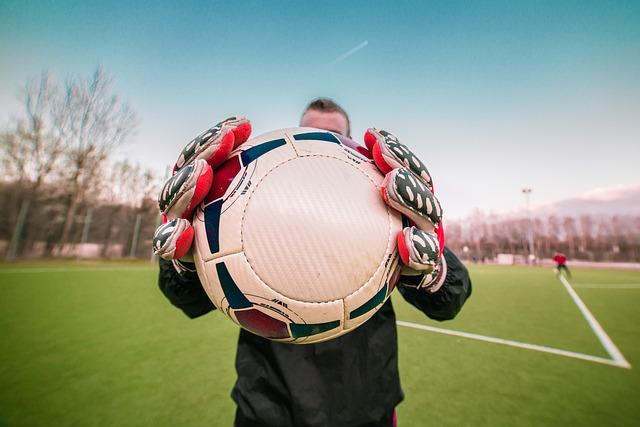
Demystifying Goalkeeping: Examining the Challenges and Skills of Keepers
When it comes to the game of soccer, goalkeeping is often seen as the easiest position on the field. However, is this belief really true or just a myth? Today, we aim to demystify the role of goalkeepers, shedding light on the challenges they face and highlighting the skills required to excel in this highly demanding position.
To begin with, goalkeepers have a crucial responsibility of preventing the opposing team from scoring goals. They are the last line of defense and must possess superior reflexes, agility, and decision-making abilities. While field players often have multiple teammates to rely on, goalkeepers often find themselves alone against the onslaught of the opponents’ attacks.
Furthermore, goalkeepers encounter a wide range of challenges that make their role far from easy. These challenges include:
- 1. Dealing with high-pressure situations: Goalkeepers face immense pressure when facing penalty kicks, one-on-one situations, and crucial moments in matches. They must remain calm and composed while making split-second decisions that can greatly impact their team’s chances of success.
- 2. Handling unpredictable shots: Shots fired at goal can come in various forms – swerving, dipping, curving, or even knuckling. Goalkeepers must possess exceptional hand-eye coordination to make instinctive and accurate saves, often adjusting their positioning and diving techniques on the fly.
- 3. Organizing the defense: A great goalkeeper doesn’t only make saves but also acts as the eyes and ears of their team’s defense. They need to communicate effectively, providing instructions, and organizing the defensive line to ensure proper positioning and prevent opponents’ scoring opportunities.
- 4. Playing with their feet: Modern soccer demands that goalkeepers be proficient with their feet to contribute to the team’s build-up play. They must have excellent passing and ball control skills, as well as the ability to participate in quick counterattacks or provide accurate long balls to initiate attacks.
In conclusion, despite the common misconception, goalkeeping is far from the easiest position in soccer. It requires a unique set of skills, mental fortitude, and the ability to perform under immense pressure. Goalkeepers play a vital role in the success of their teams, often making game-changing saves that can determine the outcome of matches. So, the next time you see a goalkeeper effortlessly making a difficult save, remember the challenges they face and appreciate the skills that make them exceptional custodians of the net.
Finding Your Perfect Match: Recommendations for Aspiring Soccer Players
When it comes to soccer, players are often in search of the easiest position on the field. But is there really such a thing? Let’s examine the myth and reality behind finding the easiest position in soccer.
Firstly, it’s important to note that soccer is a team sport, and every position requires a unique skill set and contribution to the team. While some positions may appear easier than others, it ultimately depends on the individual’s strengths and weaknesses.
That being said, there are certain positions that are typically considered less physically demanding and may be easier for aspiring soccer players to excel in:
- Defensive Midfielder: This position requires good defensive skills as well as the ability to distribute the ball effectively. Defensive midfielders play a crucial role in anchoring the team’s defense and initiating attacks.
- Central Midfielder: Central midfielders are known for their versatility. They are responsible for linking defense and attack, making them essential in maintaining possession and dictating the rhythm of the game.
- Fullback: Fullbacks primarily focus on defense and supporting the team’s attack from the flanks. While they may not score as frequently as forwards, their contribution to the team’s overall performance cannot be underestimated.
It’s important to remember that these positions may be considered “easier” in terms of physical demands, but they require a high level of tactical understanding, game intelligence, and technical skills. Ultimately, finding the perfect match in soccer is about discovering the position that suits your abilities and allows you to make a valuable contribution to your team’s success.
Mastering the “Art” of the Easiest Soccer Positions: Tips and Tricks for Success
Soccer, often referred to as the “beautiful game,” demands a range of skills and positions that play crucial roles in every match. While some positions require extensive training and experience, others are often considered to be easier for beginners. But is this perception about the easiest soccer positions a myth or a reality? Let’s delve into the various positions and uncover some tips and tricks for mastering them.
1. Goalkeeper: The last line of defense on the field, the goalkeeper position is often touted as one of the easiest positions due to its specialization. However, don’t be fooled by this notion. A great goalkeeper possesses outstanding reflexes, agility, and excellent decision-making skills. To master this position, keep these tips in mind:
– Become an expert communicator to direct your defensive line effectively.
– Enhance your anticipation skills through regular training drills.
– Focus on positioning yourself correctly to make saves more comfortable and efficient.
2. Full-back: Situated on the far edges of the defense, full-backs play a pivotal role in both defense and offense. Being an easier position to grasp doesn’t mean it lacks importance. To excel as a full-back, consider these tips:
– Develop good endurance to handle the constant running up and down the field.
– Improve your tackling and marking abilities to prevent opponents from advancing.
– Enhance your crossing skills to contribute to the team’s attacking play.
3. Holding Midfielder: Often referred to as the “anchor” of the team, a holding midfielder acts as a link between the defense and attack. While it may seem like a straightforward position, mastering it requires discipline and excellent decision-making. Take note of these tips to shine as a holding midfielder:
– Enhance your passing accuracy and range to distribute the ball effectively.
– Develop strong defensive skills, including intercepting passes and tackling opponents.
– Build your game intelligence by reading the play and making quick decisions.
4. Target Striker: When it comes to scoring goals, the target striker position is often perceived as the easiest. However, this position demands exceptional positional awareness, balance, and timing. To become a successful target striker, consider these tips:
– Work on your aerial abilities to win headers and score from crosses.
– Develop good ball control, allowing you to hold up play and bring teammates into the game.
– Practice finishing in various scenarios to become a lethal goal scorer.
In conclusion, while some positions in soccer may seem easier to master than others, they all require dedication, practice, and an understanding of the game. The key lies in identifying your strengths, honing your skills, and embracing the challenges that come with each position. So, get out there, experiment, and find your ideal role on the field. Remember, it’s not about finding the easiest position, but rather about finding the one that suits you and helps you contribute to your team’s success.
Embracing the Challenge: How to Excel in Any Soccer Position
Playing soccer is a thrilling challenge, and it is said that there is no such thing as an easy position on the field. However, there are some positions that are often considered to be easier than others. In this post, we will explore whether the idea of an easiest position in soccer is a myth or a reality.
Goalkeeper:
– The goalkeeper is often seen as the last line of defense, responsible for stopping shots on goal. While this position requires great agility, reflexes, and decision-making skills, some argue that it is easier than other positions. The goalkeeper’s role is more focused and specific, with fewer overall responsibilities than outfield players.
Defender:
– Defenders are tasked with preventing the opposing team from scoring. This position requires physical strength, tactical knowledge, and excellent positioning. While defenders may not be involved in the attacking aspect of the game as much, their contribution to the team’s success should not be underestimated.
Midfielder:
– Midfielders are the engine room of a soccer team, responsible for both defensive and attacking duties. This position requires excellent stamina, passing ability, and the skill to be effective both in attack and defense. Some may argue that midfielders have a more well-rounded role, making it more challenging but also more rewarding.
Striker:
– Strikers are the players who are expected to score goals and create opportunities for their teammates. This position requires a keen eye for goal, good movement, and the ability to make split-second decisions. While strikers often receive more recognition for their goals, this position also comes with the pressure to perform consistently.
In conclusion, while there may not be an unequivocally easiest position in soccer, each role on the field presents its own unique set of challenges. Each position requires specific skills, and excelling in any position requires dedication, hard work, and a deep understanding of the game. So, instead of searching for the easiest position, embrace the challenge, and strive to excel in whatever position you play. Remember, it’s not about finding the easiest path but about pushing yourself to be the best player you can be.
To Conclude
In conclusion, the debate surrounding the easiest position in soccer is a topic that has piqued the curiosity of fans and enthusiasts alike. Throughout this article, we have explored the various roles on the field and the skills required for each. While some may argue that certain positions offer less physical demands or strategic responsibilities, it is essential to remember that every position requires a unique set of abilities. From the lightning-fast reflexes of the goalkeeper to the tactical brilliance of the midfield maestro, soccer is a game that demands versatility and adaptability from all players. So, is there really an easiest position in soccer? The truth is, it ultimately depends on your individual strengths and weaknesses. Whether you aspire to be a striker scoring goals or a defender thwarting attacks, embracing the challenges and embracing the beauty of the game is what truly matters. So, lace up your boots, hit the pitch, and let your skills shine, regardless of which position you call your own. The field awaits, and soccer will forever captivate our hearts and minds with its boundless possibilities.