

What Season Is Soccer Played In? Understanding the Timing of the Beautiful Game!
Have you ever wondered what season soccer is played in? The beautiful game has a unique timing that varies around the world. In this article, we will explore the different seasons in which soccer is played, giving you a better understanding of the sport’s global schedule. Stay tuned to uncover the secrets behind the timing of soccer matches!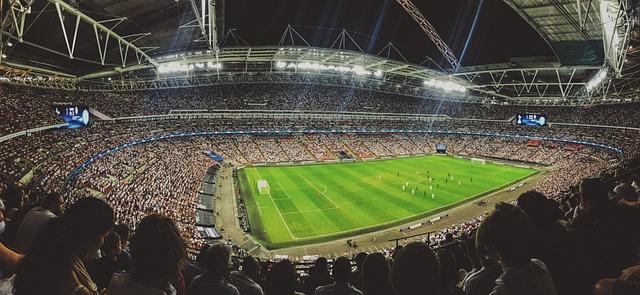
Contents
- 1 – Overview of the Soccer Season Calendar
- 2 – The Impact of Weather on Soccer Seasons
- 3 – Understanding the Different Seasons for Professional, Amateur, and Youth Soccer Leagues
- 4 – Tips for Players and Fans to Stay Safe and Enjoy the Game in all Seasons
- 5 – The Significance of Off-Season Training and Conditioning for Soccer Players
- 6 – Exploring Indoor Soccer Leagues for Year-Round Gameplay
- 7 – How Global Soccer Events and Competitions Influence Season Timing
- 8 – The Importance of Flexibility and Adaptability in Soccer Season Scheduling
- 9 – Taking Advantage of Seasonal Breaks in Soccer Calendars for Rest and Recovery
- 10 – Planning Ahead: How Soccer Players and Teams Can Strategize for Success Across Seasons
- 11 The Way Forward
– Overview of the Soccer Season Calendar
When it comes to soccer, understanding the timing of the season is crucial for players, fans, and club management alike. The soccer season calendar typically follows a similar structure across different leagues and countries, with minor variations depending on factors like weather and international competitions.
The soccer season is usually divided into the following key periods:
- Pre-season: This period usually starts in July or August and involves friendly matches, training camps, and transfers.
- Regular season: The main league competitions kick off in August or September and run through May or June, depending on the league.
- International breaks: Throughout the season, there are breaks for international matches and tournaments like the World Cup or European Championship.
- Post-season: After the conclusion of the regular season, there may be play-offs, cup finals, and transfer windows before the cycle starts again.
Here’s a simplified overview of the soccer season calendar:
| Period | Timing |
|---|---|
| Pre-season | July – August |
| Regular season | August – May/June |
| International breaks | Throughout the season |
| Post-season | May – June |

– The Impact of Weather on Soccer Seasons
In the world of soccer, the timing of the season can vary depending on where you are located. The weather plays a crucial role in determining when the beautiful game is played in different parts of the world. Let’s take a closer look at how weather impacts soccer seasons:
**Spring/Fall Seasons:**
– In countries with four distinct seasons, such as the United States and parts of Europe, soccer is typically played in the spring and fall. This allows for milder weather conditions, making it more enjoyable for players and fans alike.
– The moderate temperatures during the spring and fall seasons are ideal for running up and down the pitch without the risk of extreme heat or cold affecting performance.
**Winter Season:**
– Some countries, like Russia and Scandinavia, have winter soccer seasons due to the harsh weather conditions in the colder months. This can make playing and watching games more challenging, but it also adds a unique element to the sport.
– Playing in snow and freezing temperatures requires a different set of skills and strategies, creating an exciting and unpredictable environment for both players and spectators.
In conclusion, the timing of the soccer season is heavily influenced by the weather in each region. Whether it’s playing in the spring, fall, or even winter, the impact of weather on soccer seasons adds an interesting dynamic to the beautiful game for fans and players alike.
– Understanding the Different Seasons for Professional, Amateur, and Youth Soccer Leagues
Professional soccer leagues typically follow a calendar year schedule, with most leagues starting their season in the late summer or early fall and concluding in the spring. This schedule allows for teams to compete in various domestic and international competitions, such as league matches, cup competitions, and continental tournaments.
Amateur soccer leagues often follow a similar schedule to professional leagues, with most seasons running from late summer to spring. However, some amateur leagues may have a shorter season or a different schedule based on the region or level of competition.
Youth soccer leagues, on the other hand, may have multiple seasons throughout the year to accommodate school schedules and other activities. Youth leagues typically have a fall season and a spring season, with some leagues also offering a winter or summer season for additional play opportunities.
Understanding the different seasons for professional, amateur, and youth soccer leagues is essential for players, coaches, and fans alike. By knowing when the season begins and ends, individuals can better plan their schedules and support their favorite teams throughout the year. Whether you’re a die-hard fan of the sport or a newcomer looking to get involved, knowing the timing of the beautiful game is key to enjoying and participating in soccer at any level.
– Tips for Players and Fans to Stay Safe and Enjoy the Game in all Seasons
Soccer, also known as football in many parts of the world, is played year-round in various countries and leagues, allowing fans and players to enjoy the sport no matter the season. Understanding the timing of the beautiful game can help fans and players make the most of each season while staying safe and enjoying the game to the fullest.
**Tips for Players:**
– Stay hydrated: Whether it’s the scorching heat of summer or the cold winter months, staying hydrated is crucial for players to perform at their best.
– Dress appropriately: Wear the right gear for the season, including moisture-wicking clothes in the summer and layers in the winter.
– Warm-up and cool down: Proper warm-ups and cool-downs are important in all seasons to prevent injuries and enhance performance.
– Adjust playing style: Depending on the season, players may need to adjust their playing style to adapt to the weather conditions, such as playing more conservatively in slippery winter conditions.
**Tips for Fans:**
– Dress for the weather: Whether you’re cheering from the stands or watching at home, dress appropriately for the season to stay comfortable and safe.
– Stay informed: Keep up to date on game schedules and weather forecasts to plan accordingly, whether attending games or watching from home.
– Respect safety guidelines: Follow safety guidelines at stadiums and venues to ensure a safe and enjoyable experience for all fans.
– Support your team: Show your support for your favorite team in all seasons, whether it’s braving the elements to attend games or cheering them on from afar.
– The Significance of Off-Season Training and Conditioning for Soccer Players
Off-season training and conditioning are crucial for soccer players to maintain their fitness levels, improve their skills, and prevent injuries. During the off-season, players have the opportunity to focus on areas of their game that need improvement, such as speed, agility, strength, and endurance.
By dedicating time to training and conditioning during the off-season, players can come back stronger and more prepared for the upcoming season. A well-rounded off-season training program can help players build muscle, increase their cardiovascular endurance, and enhance their overall performance on the field.
Furthermore, off-season training can help players stay motivated and disciplined throughout the year. By setting goals and pushing themselves during the off-season, players can develop a strong work ethic that will benefit them during the season.
Overall, the significance of off-season training and conditioning for soccer players cannot be understated. It is during this time that players can make significant improvements to their game, both physically and mentally, setting themselves up for success when the season begins.
– Exploring Indoor Soccer Leagues for Year-Round Gameplay
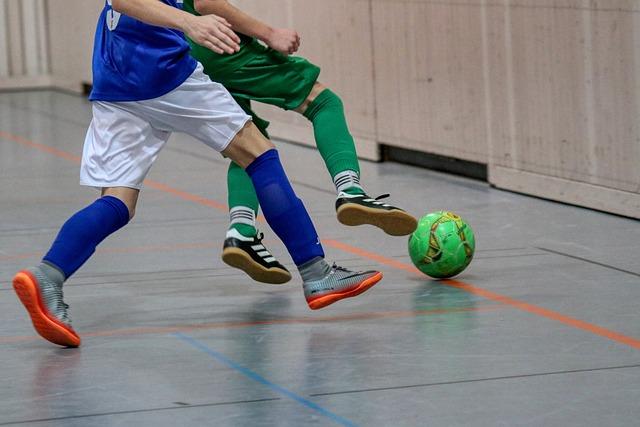
Indoor soccer leagues offer a fantastic opportunity for soccer enthusiasts to play year-round, regardless of the season. With the availability of indoor facilities, players can continue to enjoy the game they love even during the cold winter months when outdoor fields may be covered in snow or ice.
Playing indoor soccer also provides a unique experience, with different dynamics and strategies compared to outdoor games. The fast-paced nature of the game, the smaller field size, and the use of walls for rebounds all contribute to an exciting and engaging playing experience.
Moreover, indoor soccer leagues often have flexible schedules, making it easier for players to find a time that works for them. Whether you’re a seasoned player looking to stay active during the off-season, or a casual player looking for a fun way to stay fit, indoor soccer leagues can offer something for everyone.
So, if you’re looking to keep up your soccer skills year-round, exploring indoor soccer leagues is definitely worth considering. Whether you’re looking to join a competitive league or just have some fun with friends, indoor soccer provides a great way to stay engaged with the beautiful game regardless of the season.
– How Global Soccer Events and Competitions Influence Season Timing
Soccer, known globally as the beautiful game, follows a unique schedule influenced by various global events and competitions. The timing of soccer seasons can vary depending on different factors, including international tournaments and club competitions. Understanding how these events impact the season’s timing is crucial for fans and players alike.
**Global Soccer Events:**
– The FIFA World Cup, held every four years, often leads to adjustments in domestic league schedules to accommodate national team players’ participation.
– UEFA Euro Cup, Copa America, and other continental competitions also play a role in season timing, with breaks and changes necessary for player availability.
**Club Competitions:**
– The UEFA Champions League and Europa League are significant club competitions that can affect season schedules due to fixture congestion and travel demands.
– Domestic cup competitions like the FA Cup in England and the Copa del Rey in Spain can also impact when league matches are played.
Understanding the intricate relationship between global soccer events and club competitions is essential for fans and players to comprehend why the beautiful game’s season timing can be so fluid and dynamic. As the sport continues to grow in popularity worldwide, these influences will likely continue to shape how and when soccer is played around the globe.
– The Importance of Flexibility and Adaptability in Soccer Season Scheduling
Soccer, also known as football in many countries, is played throughout the year across different leagues and competitions. The traditional soccer season varies depending on the country and league, with most European leagues running from late August to May. In contrast, leagues in the United States, for example, typically run from March to October.
Having flexibility and adaptability in soccer season scheduling is crucial for various reasons. Firstly, weather conditions can impact the playing surface and player safety. By being able to adjust match schedules, teams can avoid playing in extreme conditions that may affect the quality of the game.
Additionally, flexibility allows for accommodating unexpected events such as injuries, postponements, or even global pandemics. Being able to reschedule matches ensures that the integrity of the competition is maintained and that all teams have a fair chance to compete.
Overall, understanding the timing of the soccer season and the importance of flexibility and adaptability in scheduling is key to ensuring the smooth running of the beautiful game. It allows for the best possible conditions for players, fans, and organizers, ultimately enhancing the overall soccer experience.
– Taking Advantage of Seasonal Breaks in Soccer Calendars for Rest and Recovery
In the world of soccer, the calendar follows a unique rhythm that is dictated by the seasons. Understanding the timing of the beautiful game is crucial for players, coaches, and fans alike. From the cold winter months to the scorching summer days, each season brings its own challenges and opportunities for rest and recovery.
**Winter Season**: The winter season is a crucial time for rest and recovery, as players recuperate from the physical demands of the first half of the season. Many leagues across Europe take a break during the winter months, allowing players to recharge their batteries and come back stronger for the second half of the season.
**Summer Season**: On the other hand, the summer season is when soccer truly shines. With longer days and warmer weather, players can showcase their skills on the pitch in tournaments like the World Cup or UEFA European Championship. However, the summer also presents challenges in terms of heat and fatigue, making it important for players to stay hydrated and well-rested.
**Taking Advantage of Seasonal Breaks**: Whether it’s the winter break or the off-season in the summer, teams can use these seasonal breaks to their advantage. It’s a time for players to focus on their fitness, mental well-being, and tactical preparation for the upcoming challenges. By prioritizing rest and recovery during these breaks, teams can set themselves up for success in the long run.
**Conclusion**: Understanding the seasonality of soccer is key to optimizing performance and well-being on and off the pitch. By taking advantage of seasonal breaks for rest and recovery, players can maintain their physical and mental health throughout the year. So whether it’s winter or summer, make sure to make the most of the season and come back stronger than ever.
– Planning Ahead: How Soccer Players and Teams Can Strategize for Success Across Seasons
One of the most significant factors that sets soccer apart from other sports is the fact that it is played year-round! Unlike some sports that have a specific season, soccer is played at different times depending on the league, country, or competition. Understanding the timing of the beautiful game is crucial for players and teams to strategize effectively across seasons.
For example, in Europe, most domestic leagues run from August to May, with a break during the summer months. On the other hand, countries like the United States have their Major League Soccer season from March to October. Additionally, there are international competitions like the World Cup, which take place every four years and can impact a player’s schedule and availability for their club team.
Successful soccer players and teams plan ahead by considering the timing of their matches, training sessions, and rest periods. By mapping out their schedule and understanding when they will be in peak performance mode, they can optimize their training, recovery, and overall performance on the field. This strategic approach allows players and teams to maintain consistency and excel across different seasons and competitions.*
The Way Forward
As you can see, soccer is a year-round sport that is played in different seasons depending on where you are in the world. Understanding the timing of the beautiful game is crucial for fans and players alike. Whether it’s the excitement of a summer tournament or the thrill of a winter match, soccer continues to captivate audiences globally. So next time you’re cheering on your favorite team, remember the season in which they are playing and appreciate the unique rhythm of the game. Stay informed, stay engaged, and most importantly, enjoy the beautiful game of soccer no matter what season it’s being played in!


