

How Long Is a Club Soccer Season: Duration of Football Seasons in Clubs!
Have you ever wondered how long a club soccer season actually is? Whether you’re a die-hard fan or new to the game, understanding the duration of football seasons in clubs is crucial to fully immerse yourself in the world of soccer. From European leagues to local clubs, the length of a season can vary significantly. In this article, we’ll break down the typical duration of a club soccer season, giving you the knowledge you need to follow your favorite teams with confidence. Let’s dive in and explore the exciting world of club soccer seasons!
Contents
- 1 Understanding the Structure of a Club Soccer Season
- 2 Inside Look at the Length of Professional Football Seasons
- 3 Exploring the Duration of Youth Soccer Seasons at Clubs
- 4 Key Factors Influencing the Length of a Club Soccer Season
- 5 Strategies for Managing and Maximizing the Football Season
- 6 Important Considerations for Extending or Shortening a Soccer Season
- 7 Navigating the Challenges of a Multi-Month Football Season
- 8 Tips for Players on Maintaining Performance Throughout the Club Soccer Season
- 9 Comparing Different Formats of Club Soccer Seasons
- 10 Planning Ahead: Preparing for the Grind of a Full-Length Soccer Season
- 11 How Long Is a Club Soccer Season: Duration of Football Seasons in Clubs!
- 12 Closing Remarks
Understanding the Structure of a Club Soccer Season
One of the key aspects of is knowing how long it lasts. Club soccer seasons can vary in duration depending on the league and level of competition. In general, a club soccer season can last anywhere from a few months to almost a year.
Typically, club soccer seasons are divided into different stages, each with its own set of fixtures and competitions. These stages can include league matches, cup competitions, and possibly international tournaments or friendlies. Understanding the schedule of these stages is important for players, coaches, and fans alike.
In addition to the regular season matches, club soccer seasons often include pre-season friendlies, mid-season breaks, and post-season playoffs or tournaments. The length of a club soccer season can also be influenced by factors such as team performance, weather conditions, and scheduling conflicts.
Overall, the duration of a club soccer season can vary widely, but by understanding the structure of the season and the different stages involved, players and fans can better appreciate the excitement and challenges that come with following their favorite club throughout the year.
Inside Look at the Length of Professional Football Seasons
When it comes to the length of professional football seasons, the duration can vary depending on the league and the country. In club soccer, the season typically lasts for several months, with teams playing a certain number of matches to compete for the championship title.
Here is an inside look at the length of football seasons in clubs:
- Premier League: The English Premier League season usually runs from August to May, with each team playing 38 matches.
- La Liga: The Spanish La Liga season also lasts from August to May, with 20 teams playing 38 matches each.
- Bundesliga: In the German Bundesliga, the season runs from August to May as well, with 18 teams competing in 34 matches.
It’s important to note that in addition to the regular league matches, clubs also participate in various cup competitions, which can extend the length of the season. These competitions include domestic cups, continental competitions like the UEFA Champions League, and international tournaments.
Exploring the Duration of Youth Soccer Seasons at Clubs
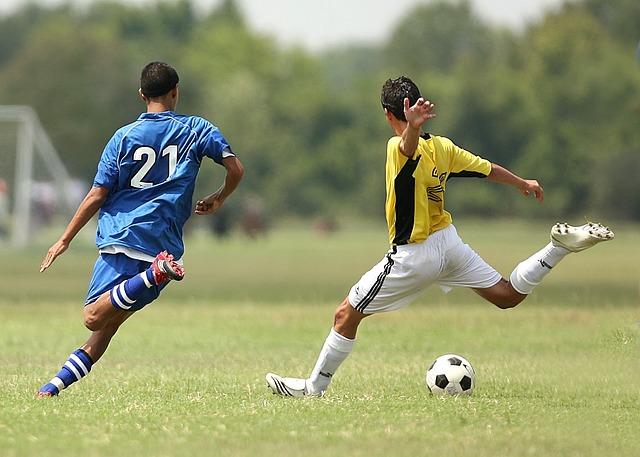
When it comes to youth soccer seasons at clubs, the duration can vary depending on the age group and level of competition. Generally, club soccer seasons can last anywhere from a few months to a whole year. Below are some common durations for different age groups:
- Under 8 and Under 10: Typically have shorter seasons, ranging from 8-12 weeks.
- Under 12 and Under 14: Seasons usually last around 3-4 months.
- Under 16 and Under 18: Have longer seasons, often spanning 6-9 months.
It’s important for parents and players to be aware of the duration of the soccer season at their club so they can plan accordingly and manage their commitments properly. Knowing how long the season will last can also help players set goals and track their progress throughout the year.
| Age Group | Season Duration |
|---|---|
| U8 – U10 | 8-12 weeks |
| U12 – U14 | 3-4 months |
| U16 – U18 | 6-9 months |

Key Factors Influencing the Length of a Club Soccer Season
When it comes to the length of a club soccer season, there are various key factors that influence the duration of football seasons in clubs. These factors can vary depending on the league, region, and level of competition. Understanding these factors can help players, coaches, and fans better prepare for the season ahead.
Some of the key factors that influence the length of a club soccer season include:
- League Structure: The format of the league, such as round-robin or knockout stages, can impact how long the season lasts.
- Number of Teams: The more teams in a league, the longer the season is likely to be in order to accommodate all fixtures.
- Cup Competitions: Inclusion of cup competitions can extend the season with additional matches outside of league play.
- International Breaks: Interruptions for international matches can also impact the length of the club soccer season.
Overall, the duration of a club soccer season can range from a few months to almost a year, depending on the aforementioned factors. It’s important for clubs to plan and manage their seasons effectively to ensure players remain fit and motivated throughout the campaign.
Strategies for Managing and Maximizing the Football Season
Managing and maximizing the football season for club soccer teams requires careful planning and execution. To make the most of the season, clubs can implement the following strategies:
- Develop a comprehensive training schedule that includes both physical conditioning and skill development.
- Create a strategic game plan for each match, taking into account the strengths and weaknesses of both the team and the opponent.
- Monitor player performance and make adjustments as needed to ensure that each player is at their best throughout the season.
- Utilize data and analytics to track progress and identify areas for improvement, both on an individual and team level.
By implementing these strategies, clubs can increase their chances of success and make the most of the football season. With proper planning and execution, clubs can achieve their goals and make the most of the opportunities presented during the season.
Important Considerations for Extending or Shortening a Soccer Season
When considering extending or shortening a soccer season for a club, there are several important factors to take into account. One key consideration is the physical and mental well-being of the players. Extending a season too long can lead to fatigue and increased risk of injury, while shortening a season may limit player development and team chemistry.
Another important factor to consider is the impact on player commitments outside of soccer. Many players have school, work, or family obligations that need to be taken into consideration when adjusting the length of the season. It’s important to find a balance that allows players to fully commit to the team while also being able to fulfill their other responsibilities.
Additionally, the financial implications of extending or shortening a season should not be overlooked. Lengthening a season may require additional resources for training, travel, and equipment, while shortening a season could impact revenue from ticket sales, sponsorships, and merchandise. Clubs need to carefully weigh the costs and benefits before making any changes to the duration of the season.

can be both physically and mentally demanding for players, coaches, and staff involved. With the duration of football seasons in clubs varying around the world, it’s important to understand the unique obstacles that may arise during these extended periods of competition.
One of the main challenges faced during a multi-month football season is player fatigue. **Throughout the course of the season, players are required to maintain a high level of physical fitness and performance, which can lead to exhaustion and increased risk of injuries.** Coaches must carefully manage their squad’s training loads and match schedules to prevent burnout and ensure optimal performance on the field.
In addition to physical challenges, teams also need to navigate the mental aspect of a long football season. **Maintaining motivation and focus over an extended period of time can be difficult, especially when facing setbacks or a string of poor results.** Coaches and support staff play a crucial role in keeping players mentally sharp and resilient throughout the season.
Overall, successfully requires careful planning, effective communication, and a strong support system in place. **By prioritizing player health and well-being, managing workload effectively, and fostering a positive team culture, clubs can overcome obstacles and thrive during the duration of the season.**
Tips for Players on Maintaining Performance Throughout the Club Soccer Season
Maintaining performance throughout a club soccer season can be challenging for players, but with the right strategies, it is possible to stay at the top of your game. Here are some tips to help you sustain your performance levels throughout the season:
– **Proper Nutrition**: Eating a balanced diet that includes a variety of nutrients such as carbohydrates, proteins, and fats is essential for maintaining energy levels and supporting muscle recovery.
– **Hydration**: Staying well-hydrated is crucial for peak performance on the field. Make sure to drink plenty of water before, during, and after training sessions and matches.
– **Rest and Recovery**: Adequate rest is key to preventing burnout and maintaining performance over the course of a long season. Make sure to prioritize sleep and incorporate rest days into your training schedule.
– **Consistent Training**: Consistency is key when it comes to maintaining performance. Make sure to attend all training sessions and follow your coach’s instructions to ensure that you are continually improving throughout the season.
By following these tips and staying disciplined both on and off the field, you can ensure that you are performing at your best throughout the entire club soccer season.
Comparing Different Formats of Club Soccer Seasons
When it comes to club soccer seasons, the duration can vary significantly depending on the format of the competition. Some leagues have a shorter season that lasts only a few months, while others have a longer season that spans across the entire year.
In Europe, many club soccer seasons typically run from August to May, with teams competing in league matches, domestic cup competitions, and potentially continental tournaments such as the Champions League. This format allows for a break during the summer months to rest and prepare for the upcoming season.
On the other hand, some club soccer seasons in other parts of the world, such as in the United States, may run on a different schedule. Major League Soccer (MLS), for example, typically runs from March to October, followed by the playoffs that extend into November.
Overall, the length of a club soccer season can vary depending on the league and the country in which it is played. It’s important for players and fans alike to understand the differences in formats to better appreciate the sport and its global reach.
Planning Ahead: Preparing for the Grind of a Full-Length Soccer Season
How Long Is a Club Soccer Season: Duration of Football Seasons in Clubs!
Preparing for a full-length soccer season can be a daunting task, but with proper planning and preparation, you can set yourself up for success. A typical club soccer season can vary in duration depending on the age group and level of competition. Here are some general guidelines to help you understand the length of a club soccer season:
- Club soccer seasons can last anywhere from 6 months to 10 months, depending on the league and age group.
- Most club soccer seasons are divided into a fall season and a spring season, with a break in the winter months.
- Some clubs may also participate in summer tournaments or leagues, extending the season beyond the traditional fall-spring schedule.
It’s important to take into account the length of the season when setting your training and fitness goals. By planning ahead and preparing for the grind of a full-length soccer season, you can maximize your performance on the field and stay injury-free throughout the year.
Closing Remarks
In conclusion, the duration of a club soccer season can vary greatly depending on the league, country, and level of competition. From the grassroots level to professional leagues, each season offers its own unique challenges and opportunities for players and fans alike. Whether you’re a seasoned supporter or new to the sport, understanding the length of a club season can help you better appreciate the dedication and commitment that goes into the beautiful game. So, lace up your boots and get ready for an exciting season ahead!


