

Do You Play Soccer in Spanish? Essential Language Learning Insights!
Are you looking to enhance your soccer skills and expand your language abilities at the same time? In this article, we will explore the essential insights for learning how to play soccer in Spanish. Whether you’re a beginner or an experienced player, understanding key Spanish phrases and terminology can elevate your game and open up new opportunities for communication on and off the field. Let’s dive into the world of soccer language learning and take your game to the next level!
Contents
- 1 Understanding key soccer terms in Spanish
- 2 Tips for effectively learning Spanish through soccer
- 3 How soccer can enhance your language skills
- 4 The importance of practicing Spanish while playing soccer
- 5 Utilizing soccer resources to improve your language acquisition
- 6 Experiencing cultural immersion through soccer and language learning
- 7 Incorporating soccer drills into your Spanish study routine
- 8 Benefits of watching Spanish-language soccer matches for language learning
- 9 Connecting with native Spanish speakers through soccer
- 10 Utilizing soccer apps and online resources to enhance your language proficiency
- 11 In Summary
Understanding key soccer terms in Spanish
Are you a soccer enthusiast looking to expand your knowledge of the game in Spanish? Look no further! Learning key soccer terms in Spanish can greatly enhance your experience when watching games or communicating with other soccer fans. Here are some essential insights to help you navigate the world of soccer in Spanish:
- Gol: This term is used to indicate a goal in soccer. It’s a universal term that is recognized by soccer fans around the world.
- Portero: Refers to the goalkeeper on a soccer team. The portero plays a crucial role in defending the goal and preventing the opposing team from scoring.
- Fuera de juego: Translating to “offside”, this term is used to describe a player who is in an offside position when a pass is made to them.
- Penalti: A penalty kick awarded to a team when a foul occurs inside the penalty box. It’s a one-on-one opportunity for a player to score against the goalkeeper.
By familiarizing yourself with these key soccer terms in Spanish, you’ll be better equipped to follow the game and engage in conversations with fellow soccer fans. So, next time you’re watching a game, impress your friends with your knowledge of soccer terminology in Spanish!

Tips for effectively learning Spanish through soccer
Are you looking for a fun and engaging way to learn Spanish? Why not combine your love for soccer with language learning! By immersing yourself in the world of soccer, you can pick up new words and phrases while also enjoying the game.
Here are some tips to help you effectively learn Spanish through soccer:
- Watch Spanish soccer games with Spanish commentary to improve your listening skills.
- Follow Spanish soccer players and teams on social media to see real-life conversations in Spanish.
- Join a local Spanish-speaking soccer team or league to practice your language skills in a practical setting.
- Use soccer-themed Spanish learning resources such as books, podcasts, and online courses to enhance your vocabulary.
How soccer can enhance your language skills
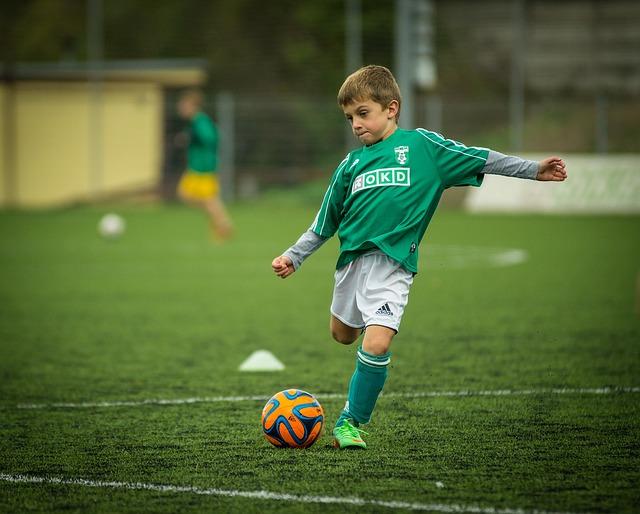
Playing soccer can actually be a fun and effective way to improve your language skills. When you play soccer in another language, you are forced to communicate with your teammates using the language of the game. This can help you practice your vocabulary, comprehension, and pronunciation in a more natural and engaging way.
Furthermore, soccer matches and practices often involve a lot of teamwork and strategy discussions. By participating in these conversations in another language, you can enhance your ability to express yourself clearly and effectively in various situations. This can be especially beneficial for developing your conversational skills and building confidence in using the language in real-life scenarios.
In addition, watching soccer games and listening to commentary in another language can also expose you to new words and phrases. This can help you expand your language proficiency beyond basic vocabulary and grammar rules. Overall, incorporating soccer into your language learning routine can be a dynamic and enjoyable way to sharpen your linguistic abilities while staying active and connected to a global community.
The importance of practicing Spanish while playing soccer
Playing soccer while practicing Spanish can be a highly effective way to enhance your language skills while staying active and having fun. Incorporating Spanish into your soccer routine can help you quickly pick up new vocabulary and improve your fluency through real-life practice and immersion.
By engaging in conversations with teammates and coaches in Spanish, you can improve your listening skills and learn common soccer-related phrases and terminology. This hands-on approach to language learning can make the process more engaging and memorable, helping you retain new words and phrases more effectively.
Furthermore, practicing Spanish while playing soccer can also help you build confidence in speaking the language in different contexts. As you communicate with others on the field, you can develop your ability to think quickly and express yourself clearly, even under pressure.
Overall, combining soccer and Spanish practice not only offers a fun and dynamic way to learn a new language but also provides numerous benefits for language acquisition, cognitive skills, and social interactions. So why not kick-start your language learning journey on the soccer field today?

Utilizing soccer resources to improve your language acquisition
When it comes to language acquisition, utilizing a variety of resources can greatly enhance your learning experience. One unique and effective way to improve your language skills is by incorporating soccer into your routine. Not only is soccer a fun and engaging sport, but it can also provide valuable opportunities for language practice.
One of the key benefits of using soccer to improve your language acquisition is the exposure to authentic language in a real-world context. By watching soccer matches, reading articles about the sport, and engaging in conversations with fellow soccer enthusiasts, you can immerse yourself in the language and improve your proficiency.
Additionally, participating in soccer-related activities such as joining a local team, attending matches, or even playing FIFA video games in Spanish can help reinforce your language skills. By incorporating soccer into your language learning routine, you can make the process more enjoyable and effective.
Overall, can be a fun and rewarding experience. So, if you’re passionate about soccer and eager to improve your language skills, consider incorporating this beloved sport into your language learning journey!

Experiencing cultural immersion through soccer and language learning
Playing soccer is not only a fun and exciting way to stay active, but it can also be a fantastic method for immersing yourself in a new culture. By joining a local soccer team or participating in pickup games, you can connect with people from different backgrounds and learn about their customs, traditions, and ways of life. The shared love for the sport creates a common bond that transcends language barriers and allows for meaningful interactions with others.
In addition to soccer, language learning is another key component of cultural immersion. By actively engaging in conversations with teammates and spectators, you can improve your language skills and gain a deeper understanding of the local dialect. Whether you’re learning Spanish, French, Arabic, or any other language, practicing in real-life situations is invaluable for honing your communication abilities.
To further enhance your language learning experience through soccer, consider incorporating vocabulary related to the sport into your studies. By familiarizing yourself with terms like “goalkeeper,” “penalty kick,” and “offside,” you can better communicate on the field and connect with teammates on a new level. Additionally, attending matches or watching games in the target language can help you grasp colloquial expressions and slang while enjoying the thrilling action of the sport. Embrace the challenge of combining soccer and language learning to fully immerse yourself in a rich and diverse cultural experience.
Incorporating soccer drills into your Spanish study routine
can be a fun and effective way to improve your language skills while staying active. By combining physical activity with language practice, you can engage both your body and mind, leading to better retention and overall learning. Here are some essential insights to help you make the most of this unique approach:
- Practice Vocabulary: Use soccer drills to reinforce your Spanish vocabulary related to the sport. Label objects in Spanish, such as “pelota” for ball, “arco” for goal, or “camiseta” for jersey.
- Verb Conjugation: Incorporate verb conjugation exercises into your drills by calling out instructions in Spanish, such as “patea el balón” (kick the ball) or “corre rápido” (run fast).
- Interactive Role-Play: Create scenarios on the field that require communication in Spanish, such as deciding on team strategies or giving feedback to teammates.

Benefits of watching Spanish-language soccer matches for language learning
Watching Spanish-language soccer matches can be an incredibly effective way to improve your language skills while enjoying the game. Here are some of the key benefits:
- Immersive Learning: Listening to the commentators and players speaking Spanish helps you immerse yourself in the language, improving your listening and comprehension skills.
- Expand Vocabulary: Sports jargon and phrases used during matches can introduce you to new words and phrases that are commonly used in everyday conversations.
- Cultural Insight: Soccer is a huge part of Spanish-speaking cultures, so watching matches can give you a deeper understanding of the traditions, customs, and values of these societies.
| Language Learning Benefit | Description |
|---|---|
| Improves Listening Skills | Allows you to hear the language in a real-life context |
| Enhances Vocabulary | Introduces you to new words and expressions |
| Provides Cultural Insights | Helps you understand the customs and traditions associated with Spanish-speaking countries |
Connecting with native Spanish speakers through soccer
Are you looking for a fun and engaging way to practice your Spanish language skills? Look no further than connecting with native Spanish speakers through the universal language of soccer! Playing soccer with Spanish speakers not only improves your language abilities but also helps you immerse yourself in the culture and make new friends.
Here are some essential insights to keep in mind when :
- Communication on the field: Use basic soccer vocabulary in Spanish to communicate with your teammates. This will not only help you practice your language skills but also improve your coordination on the field.
- Post-game socializing: After the game, take the opportunity to chat with your teammates in Spanish. Ask about their favorite soccer teams, players, or even local soccer events. This can lead to deeper conversations and help you build lasting connections.
- Cultural exchange: Embrace the cultural differences that come with playing soccer with native Spanish speakers. Share your own experiences and learn from others, building a sense of camaraderie and understanding.
Utilizing soccer apps and online resources to enhance your language proficiency
Are you looking for a fun and engaging way to improve your language skills? Look no further than utilizing soccer apps and online resources! Whether you’re a beginner or an advanced learner, incorporating soccer-related content into your language learning routine can be both educational and enjoyable.
By immersing yourself in the world of soccer through apps and websites, you can practice listening, reading, writing, and speaking in your target language. From watching soccer matches in Spanish to playing FIFA in French, there are countless ways to enhance your language proficiency while staying connected to your favorite sport.
- Watch soccer games in the language you’re learning to improve your listening comprehension.
- Join online forums or social media groups dedicated to soccer to engage with native speakers.
- Use language learning apps with soccer-themed exercises to strengthen your vocabulary and grammar skills.
So, why not take advantage of the plethora of soccer apps and online resources available to boost your language proficiency? With a little creativity and dedication, you’ll be kicking goals in both soccer and language learning in no time!
In Summary
In conclusion, mastering soccer related vocabulary in Spanish can greatly enhance your language learning experience. By incorporating the language into your passion for the sport, you not only improve your communication skills but also deepen your connection to the game. So, next time you hit the pitch, don’t forget to sprinkle a little Spanish into your kick-off conversations. Who knows, you might just score a goal in more ways than one! Keep practicing and enjoy the journey of bilingual proficiency. ¡Buena suerte! (Good luck!)


