How Many Days Is Soccer Season? Find Out Now!
Soccer season is a thrilling time for fans and players alike, but have you ever wondered just how long it lasts? Whether you’re a die-hard supporter or a casual observer, understanding the duration of the soccer season is essential for planning your weekends around the beautiful game. So, just how many days does soccer season span? Let’s dive in and find out now!
Contents
- 1 Planning Your Soccer Season Schedule
- 2 Creating a Soccer Season Schedule
- 3 Understanding the Length of Soccer Season
- 4 Factors Affecting the Duration of Soccer Season
- 5 Tips for Maximizing Your Soccer Season Experience
- 6 Key Dates to Keep in Mind During Soccer Season
- 7 Adjusting Your Training Regimen for Soccer Season
- 8 Strategies for Staying Sharp Throughout Soccer Season
- 9 Making the Most of Your Soccer Season Breaks
- 10 Planning Ahead for Next Soccer Season
- 11 Insights and Conclusions
Planning Your Soccer Season Schedule
Creating a Soccer Season Schedule
When , it’s important to consider several factors to ensure a successful and well-organized season. The duration of a soccer season can vary depending on the league, level of play, and specific team requirements. However, on average, a typical soccer season can last anywhere from 10 to 28 weeks. Here are some key steps to help you plan your soccer season schedule:
- Start by determining the start and end dates of the season.
- Take into account any holidays, school breaks, or other events that may impact game scheduling.
- Discuss with team members and coaches to establish practice times and game schedules that work for everyone.
- Consider incorporating preseason games and tournaments to help your team prepare for the season ahead.
By carefully planning and coordinating your soccer season schedule, you can ensure that your team is well-prepared and ready to compete at their best. Remember to stay flexible and adaptable as unexpected changes may arise throughout the season.
Understanding the Length of Soccer Season
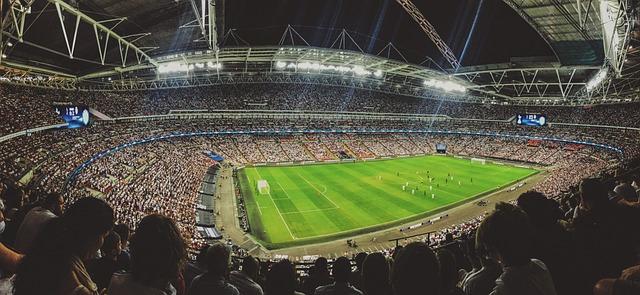
When it comes to understanding the length of the soccer season, it’s important to know that it can vary depending on the league or level of play. In general, the duration of a soccer season is typically determined by the number of games that need to be played.
For example, in professional leagues like the English Premier League or La Liga, the soccer season usually spans from August to May, totaling around 9-10 months. This allows teams to play a series of matches against each other to determine the league champion.
On the other hand, youth or recreational soccer seasons may only last a few months, with games played weekly or bi-weekly. These shorter seasons are designed to accommodate school schedules and other commitments while still allowing players to enjoy the sport.
Whether you’re a die-hard soccer fan or just getting into the game, understanding the length of the soccer season can help you better plan your schedule and make the most of the games ahead.

Factors Affecting the Duration of Soccer Season
Factors that affect the duration of a soccer season can vary depending on the league, level of play, and location. Some key elements to consider include:
- Number of Teams: The more teams in a league, the longer the season typically lasts. More teams mean more games to schedule, leading to a longer season.
- Competition Format: Different leagues may have a varying format, such as round-robin, knockout stages, or playoffs, which can impact the duration of the season.
- Weather Conditions: In some regions, extreme weather conditions may shorten or extend the soccer season to ensure player safety and suitable playing conditions.
- International Breaks: Soccer seasons may include breaks for international tournaments or qualifiers, which can affect the overall duration of the league.
To give you an idea of the duration of a typical soccer season, here is a breakdown for a popular league:
| League | Duration |
|---|---|
| Premier League | August to May |
Keep in mind that these factors play a significant role in determining how many days a soccer season lasts. Understanding these elements can help you plan your soccer viewing schedule accordingly.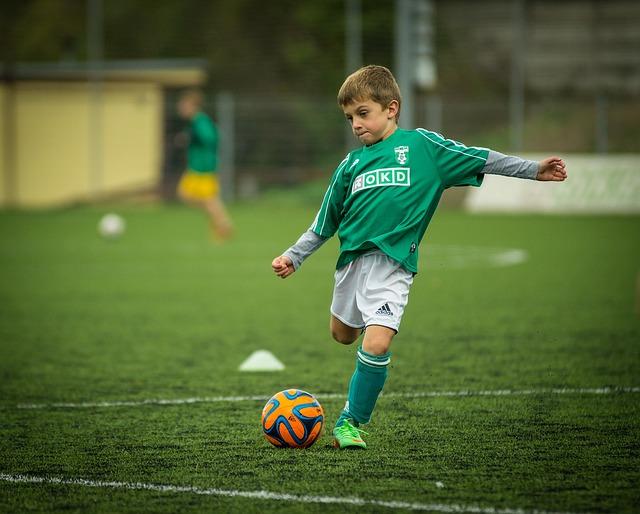
Tips for Maximizing Your Soccer Season Experience
When it comes to maximizing your soccer season experience, it’s important to understand the duration of the season. Soccer seasons can vary depending on the league or level of play you are involved in. Some youth leagues may have shorter seasons, while professional leagues can have longer seasons that span several months.
Typically, youth soccer seasons can last anywhere from 8-12 weeks, with games played once or twice a week. High school soccer seasons often last around 10-12 weeks, with games scheduled throughout the week. College and professional soccer seasons can last several months, beginning in the early spring and extending into the fall.
To make the most of your soccer season, it’s important to stay consistent with your training and conditioning. By maintaining a regular practice schedule and keeping up with your fitness, you can ensure that you are prepared for game day. Additionally, focusing on teamwork and communication with your teammates can enhance your overall experience and performance on the field.
Remember, every soccer season is a new opportunity to improve your skills, make lasting memories, and enjoy the beautiful game. By staying dedicated, motivated, and focused, you can maximize your soccer season experience and make the most of every moment on the field.
Key Dates to Keep in Mind During Soccer Season
As soccer season kicks off, it’s essential to stay on top of key dates to make sure you don’t miss any important games or events. From the start of preseason training to the championship game, there are several significant dates to mark on your calendar.
Here are some :
- Preseason Training Begins: Get ready to hit the field and start preparing for the upcoming season.
- Opening Day: The excitement begins as teams across the league play their first games of the season.
- Midway Point: Keep tabs on how your team is performing at the halfway mark of the season.
- Playoffs Begin: Watch as teams battle it out for a spot in the championship game.
Stay organized and in-the-know by marking these key dates in your calendar so you can fully enjoy the soccer season ahead!

Adjusting Your Training Regimen for Soccer Season
One key factor in is understanding the duration of the season. Soccer seasons can vary in length depending on the league or competition you are participating in. Here are some common soccer season lengths:
– Youth soccer seasons typically last around 8-12 weeks, with games played on weekends.
– High school soccer seasons often span 10-14 weeks, with games and practices during the week.
– College soccer seasons can last anywhere from 10-16 weeks, including both regular season and playoff games.
– Professional soccer seasons vary greatly, with some leagues lasting 8-10 months while others may last all year round.
Understanding how long your soccer season will last is crucial in determining how to adjust your training regimen. It allows you to plan out your workouts, rest days, and peak performance times throughout the season effectively.
When , it’s essential to consider the following factors:
– **Physical Fitness**: Incorporate endurance, strength, and agility training into your workouts to ensure you are in peak physical condition for the demands of the season.
– **Skill Development**: Focus on refining your technical skills such as dribbling, passing, shooting, and tactical awareness to improve your performance on the field.
- **Rest and Recovery**: Schedule rest days and active recovery sessions to prevent injuries and allow your body to recover from intense training sessions and games.
– **Nutrition**: Fuel your body with a balanced diet to support your training efforts and optimize your performance on the field. Don’t forget to stay hydrated and replenish electrolytes during intense training sessions and games.
By understanding the length of the soccer season and considering these key factors, you can tailor your training regimen to maximize your performance and stay at the top of your game throughout the season.
Strategies for Staying Sharp Throughout Soccer Season
Soccer season can vary depending on the league or level of play. Typically, youth soccer seasons can run anywhere from 10-14 weeks, while professional leagues can span several months. It’s important to know the duration of your soccer season so you can plan and implement effective strategies to stay sharp throughout.
Here are some key strategies to help you stay at the top of your game throughout soccer season:
– **Consistent Training**: Make sure to maintain a regular training schedule to keep your skills sharp and improve overall fitness.
– **Proper Nutrition**: Fuel your body with the right nutrients to ensure optimal performance on the field.
– **Rest and Recovery**: It’s essential to give your body time to rest and recover to prevent injuries and fatigue.
– **Mental Preparation**: Stay focused and mentally sharp by visualizing success and setting achievable goals for yourself.
By implementing these strategies, you can ensure that you perform at your best throughout the duration of soccer season. Remember, consistency is key, so stay committed to your training and take care of your body both on and off the field.
Making the Most of Your Soccer Season Breaks
During a soccer season, players often have scheduled breaks in between matches to rest and recover. These breaks are crucial for maintaining peak performance and preventing injuries. It’s important for players to make the most out of these downtime periods to ensure they come back stronger and ready for the next game.
One key aspect of maximizing soccer season breaks is to focus on rest and recovery. This includes getting enough sleep, eating nutritious foods, and participating in low-impact activities to allow the body to heal and recharge. It’s also a good time to work on any lingering injuries or physical weaknesses through rehab exercises and strength training.
Players can also use these breaks to work on individual skills and tactical knowledge. This could mean practicing dribbling, shooting, passing, or studying game footage to analyze their performance and strategize for upcoming matches. Additionally, players can use this time to bond with teammates, build team chemistry, and develop a stronger sense of camaraderie on and off the field.
Overall, making the most of soccer season breaks is essential for players to stay healthy, improve their skills, and come back refreshed and ready to perform at their best. By focusing on rest, recovery, skill development, and team cohesion, players can ensure they make the most out of their downtime and maximize their potential on the field.
Planning Ahead for Next Soccer Season
Now that the current soccer season is coming to an end, it’s time to start thinking ahead and preparing for the next one. Planning ahead will not only help you stay organized but also give you a competitive edge when the new season begins. So, how many days is the soccer season exactly? Let’s break it down.
Typically, a soccer season can last anywhere from 3 to 9 months, depending on the league or level of play. Here are some factors to consider when calculating the duration of the season:
- Type of League (e.g. recreational, competitive, professional)
- Number of Teams in the League
- Number of Games Scheduled
- Potential Breaks or Playoffs
For example, a recreational league with 8 teams may have a season that lasts around 3-4 months, playing one game per week. On the other hand, a professional league with 20 teams could have a season lasting 8-9 months, with multiple games per week and potential playoff matches.
Insights and Conclusions
In conclusion, the length of soccer season varies depending on the level of competition and location. Whether it’s a few months or year-round, players and fans alike can always look forward to the excitement and passion that the beautiful game brings. Stay informed and enjoy every moment of the soccer season.