
What Does a Soccer Player Do? Understanding Player Roles!
Soccer is a dynamic sport that requires intricate teamwork and strategic coordination. Ever wondered exactly what goes into the roles of each player on the field? From defenders to goalkeepers, learn the ins and outs of what a soccer player does to contribute to the success of their team. Join us as we break down the essential player roles in soccer and gain a deeper understanding of the beautiful game.
Contents
- 1 Introduction: Exploring the Dynamic World of Soccer Player Roles
- 2 Defender: The Backbone of the Team’s Defense
- 3 Midfielder: The Engine of the Team’s Performance
- 4 Striker: The Goal-Scoring Powerhouse
- 5 Winger: The Speedy Flank Player
- 6 Goalkeeper: The Last Line of Defense
- 7 Defending the goal
- 8 Playmaker: The Creative Genius on the Field
- 9 Sweeper: The Tactical Mastermind
- 10 Utility Player: The Versatile Asset for Any Team
- 11 Understanding the Role of a Utility Player in Soccer
- 12 Captain: The Leader and Role Model on the Pitch
- 13 In Retrospect
Introduction: Exploring the Dynamic World of Soccer Player Roles
Soccer is a dynamic sport that requires players to adapt to various roles on the field. Understanding player roles is essential for both players and fans alike. Each position on the soccer field comes with its own set of responsibilities and duties that contribute to the team’s overall performance. Let’s dive into the world of soccer player roles and explore what it takes to excel in each position.
One of the most crucial player roles in soccer is the forward. Forwards are responsible for scoring goals and creating scoring opportunities for their teammates. They need to have excellent dribbling skills, pace, and accuracy in front of the goal. Strikers are expected to be clinical finishers and have the ability to create chances out of nothing.
On the other side of the field, we have the defenders. Defenders are tasked with stopping the opposition from scoring goals. They need to have strong tackling abilities, good positional awareness, and the ability to read the game. Center backs and fullbacks play a crucial role in shielding the goalkeeper and preventing the opposition forwards from scoring.
| Player Role | Key Responsibilities |
|---|---|
| Midfielders | Control the flow of the game, link defense to attack, provide support to both forwards and defenders. |
| Goalkeepers | Prevent the opposition from scoring goals, distribute the ball effectively, organize the defense. |
By understanding the specific roles and responsibilities of each player on the field, we can gain a deeper appreciation for the game of soccer. Whether you’re a player looking to improve your skills or a fan wanting to better understand the strategies at play, exploring the dynamic world of soccer player roles is sure to enhance your overall soccer experience.
Defender: The Backbone of the Team’s Defense
Defenders in soccer play a crucial role in the team’s defense, acting as the backbone that holds the backline together. Their primary responsibility is to prevent the opposing team from scoring goals by marking the attackers, intercepting passes, and clearing the ball away from danger. In essence, defenders are the first line of defense, working to protect the goalkeeper and maintain a solid defensive structure.
Key characteristics of a successful defender include strong tackling ability, good positioning, great communication skills, and the ability to read the game well. Defenders must be physically strong to win challenges and aerial duels, as well as mentally sharp to make split-second decisions under pressure. They are often the unsung heroes of the team, sacrificing glory for the greater good of keeping a clean sheet.
Defenders can be categorized into different types based on their playing style and strengths. Some common types of defenders include:
- Center Back: Typically the tallest and strongest defender, responsible for marking the opposition’s center forward and organizing the defensive line.
- Full Back: Fast and agile defenders who excel in overlapping runs and providing width to the team’s attack while still fulfilling defensive duties.
- Wing Back: A hybrid role between defender and midfielder, skilled at both defending and supporting the attack down the wings.
| Types of Defenders | Main Responsibilities |
|---|---|
| Center Back | Marking the opposition’s center forward, organizing the defensive line |
| Full Back | Overlapping runs, providing width to the attack, fulfilling defensive duties |
| Wing Back | Supporting the attack down the wings, defending and attacking skills |

Midfielder: The Engine of the Team’s Performance
Midfielders are often referred to as the “engine” of a soccer team because of their crucial role in dictating the flow and tempo of the game. They are the players who link the defense and the attack, tirelessly transitioning between supporting their teammates defensively and initiating attacking plays.
Key responsibilities of a midfielder include:
- Winning possession of the ball
- Distributing the ball accurately
- Creating scoring opportunities
- Providing defensive support
Midfielders need to possess a diverse set of skills, including excellent passing accuracy, vision, tactical awareness, and physical endurance. They are often required to cover large areas of the field, making them versatile players who can adapt to different game situations.
Some of the best midfielders in the world are known for their ability to control the rhythm of the game, make decisive passes, and contribute both offensively and defensively. Understanding the importance of the midfielder’s role can help fans appreciate their contribution to the team’s overall performance.
Striker: The Goal-Scoring Powerhouse
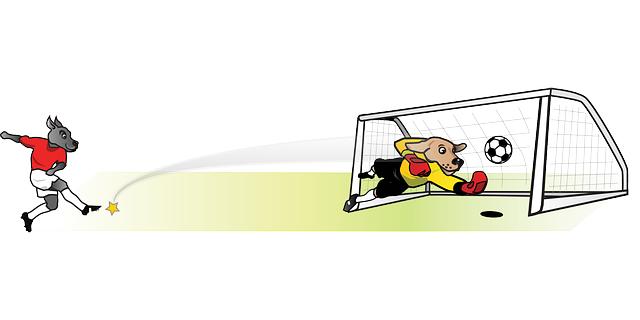
When it comes to the game of soccer, the striker position is crucial. Strikers are often referred to as the goal-scoring powerhouses of the team, responsible for putting the ball in the back of the net. They play a vital role in the offensive strategy, using their speed, skill, and precision to create scoring opportunities.
One of the primary functions of a striker is to score goals. They are typically positioned closest to the opponent’s goal, ready to receive passes and take shots on target. Strikers must have excellent shooting technique and the ability to capitalize on scoring chances.
Aside from scoring goals, strikers also play a key role in creating scoring opportunities for their teammates. They often engage in quick combination plays with midfielders and wingers to break through the opponent’s defense. This requires good communication, teamwork, and tactical awareness.
Overall, the striker position requires a unique blend of skills, including agility, speed, precision, and game intelligence. A top-notch striker can make a significant impact on the game by consistently finding the back of the net and setting up scoring chances for their team.

Winger: The Speedy Flank Player
Wingers are essential players in a soccer team, known for their speed and ability to quickly move the ball up the field. These players typically line up on the outside edges of the field, known as the flanks, and are responsible for creating scoring opportunities for their teammates. In addition to their speed, wingers are also known for their agility and quick decision-making on the field.
One of the main roles of a winger is to use their speed to outpace defenders and deliver accurate crosses into the box for their teammates to score. Wingers are also expected to track back and help defend when necessary, making them versatile players who can contribute on both ends of the field. In addition, wingers are often tasked with taking on defenders one-on-one and creating opportunities to score.
Wingers play a crucial role in the overall strategy of a soccer team, providing width and stretching the opponent’s defense to create space for their teammates. Their speed and ability to beat defenders make them unpredictable and dangerous players on the field. In summary, wingers are dynamic players who play a vital role in creating scoring opportunities and helping their team succeed on the field.

Goalkeeper: The Last Line of Defense
Defending the goal
When it comes to soccer, the goalkeeper plays a crucial role in defending the goal and preventing the opposing team from scoring. The goalkeeper is often referred to as the “last line of defense” because they are the final barrier between the ball and the goal.
Goalkeepers are responsible for a variety of tasks on the field, including:
- Stopping shots on goal
- Catching or deflecting crosses into the box
- Organizing the defense and directing players
- Distributing the ball to teammates
Goalkeepers must be agile, quick-thinking, and fearless in order to effectively protect the goal and keep their team in the game. They are often the unsung heroes of a soccer match, but their contributions are essential to the team’s success.

Playmaker: The Creative Genius on the Field
Soccer players are more than just athletes running around the field. Each player has a specific role that contributes to the overall success of the team. Understanding player roles is crucial to appreciating the game and the talents of individual players.
One key player role on the field is the **Playmaker**. This creative genius is often the heart of the team, responsible for setting up scoring opportunities and controlling the pace of the game. Playmakers are known for their vision, technical skill, and ability to make split-second decisions that can change the course of a match.
Playmakers are typically found in midfield positions, where they have the space and freedom to create plays and distribute the ball effectively. They are often the ones responsible for finding the perfect pass to break down the opponent’s defense or orchestrating set pieces to capitalize on scoring opportunities.
Some famous Playmakers in soccer history include players like **Zinedine Zidane, Andres Iniesta, and Michel Platini**. These legendary players were known for their incredible vision, passing ability, and game-changing creativity on the field. Watching a Playmaker in action is like watching a master at work, weaving magic with every touch of the ball.
Sweeper: The Tactical Mastermind
In soccer, the sweeper position is often referred to as the “Tactical Mastermind” of the team. This player is responsible for organizing and directing the defense, as well as anticipating and intercepting the opponent’s attacks. The sweeper plays a crucial role in controlling the pace of the game and is often considered the last line of defense before the goalkeeper.
One of the key responsibilities of the sweeper is to read the game and anticipate the movements of the opposing team. This requires excellent tactical awareness and the ability to quickly make decisions under pressure. The sweeper must also have strong communication skills to direct their teammates and ensure everyone is in the right position.
Furthermore, the sweeper is usually a versatile player who can adapt to different situations on the field. They need to be comfortable playing both as a defender and as a midfielder, as they often play a critical role in transitioning from defense to attack. The sweeper’s ability to read the game and make quick, decisive decisions can make them a valuable asset to any team.
Utility Player: The Versatile Asset for Any Team
Understanding the Role of a Utility Player in Soccer
When it comes to soccer, having a utility player on your team can be a game-changer. A utility player is a versatile asset who can play multiple positions and adapt to different roles on the field. They are often referred to as the “jack of all trades” because they can fill in wherever they are needed most. This flexibility is invaluable in a sport where injuries and suspensions can leave teams short-handed.
Utility players have a unique skill set that allows them to excel in various positions. They are usually strong tactically, have good positional awareness, and possess solid technical abilities. These players are also known for their work rate, determination, and willingness to do whatever it takes to help the team succeed.
Some common positions that utility players can fill include:
- Midfielder
- Full-back
- Winger
- Attacker
| Position | Key Attributes |
|---|---|
| Midfielder | Versatile, good passing, strong defensive skills |
| Full-back | Pacey, good crossing ability, solid defensively |
| Winger | Fast, skillful, good at creating scoring opportunities |
| Attacker | Goal scorer, good at holding up play, strong in the air |

Captain: The Leader and Role Model on the Pitch
In a soccer team, the captain plays a crucial role both on and off the pitch. As the leader of the team, the captain is responsible for setting a positive example for their teammates and representing the team in a professional manner. They are often the voice of the team, communicating with the coach and referees during games and serving as a mediator in any conflicts that may arise.
On the pitch, the captain is the anchor of the team, providing direction and guidance to their teammates. They are typically one of the most experienced and skilled players on the team, leading by example through their work ethic, determination, and sportsmanship. The captain is also responsible for motivating their teammates, keeping morale high, and rallying the team during difficult moments.
Off the pitch, the captain is a role model for their teammates, demonstrating good sportsmanship, discipline, and leadership qualities. They set the standard for professionalism and dedication, inspiring their teammates to strive for excellence both on and off the field. The captain’s influence extends beyond the game itself, as they serve as a mentor and source of guidance for their teammates.
In Retrospect
Now that you have a better understanding of the various player roles in soccer, you can appreciate the intricacies and teamwork that go into a successful match. Whether you’re a fan watching from the sidelines or a player on the field, knowing the responsibilities and duties of each position can enhance your appreciation for the beautiful game. So next time you watch a match, keep an eye out for the different player roles in action and see how they all come together to create a winning team.


